The belated publication of the UN Security Council Resolution 2797 was a diplomatic earthquake that exposed Algeria’s role as a party to the conflict. In a desperate bid to dilute its own responsibility, Algiers tried to alter the Arabic version of the text, pushing for “two parties” instead of “all parties,” with the goal of framing the conflict as an issue between Morocco and the Polisario.
The attempt backfired spectacularly when the resolution was published after an unusual 24-day delay caused by Algeria’s interventions. The published version retained the original wording which cited Algeria among the parties to the conflict.
The resolution shattered the myth of Algeria as a mere “observer,” confirming the geopolitical and regional aspect of the conflict which was stoked, perpetuated and fueled by Algiers. The Council made it clear that negotiations must include Algiers without semantic games.
Eleven Security Council members voted in favor of the resolution, none against and three abstentions. Russia’s veto, loudly promised by Algerian media, never materialized. The text passed comfortably, cementing Morocco’s autonomy plan as the only serious and credible basis for future talks as well as being referred to as the “most feasible outcome.” The referendum option? Buried for good.
Algeria’s frantic lobbying did not stop extending to the translation phase in a desperate attempt.
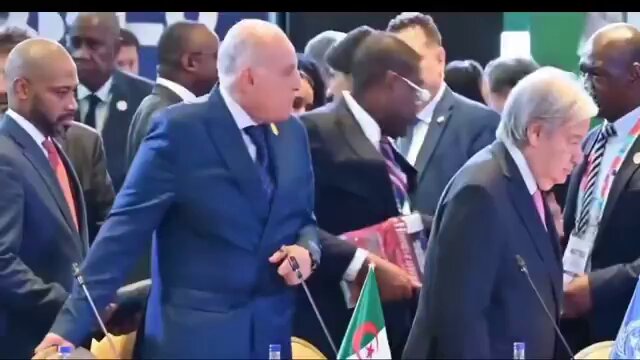
In the aftermath, Foreign Minister Ahmed Attaf embarked on a media tour to downplay the resolution’s impact. His claims ranged from misleading to outright false allegations, insisting on “two parties” when the resolution explicitly refers to four parties.
He claimed that the same Algeria that retaliates against countries backing the autonomy plan is a “neutral mediator”. This narrative has collapsed under decades of financial and military support for the Polisario.