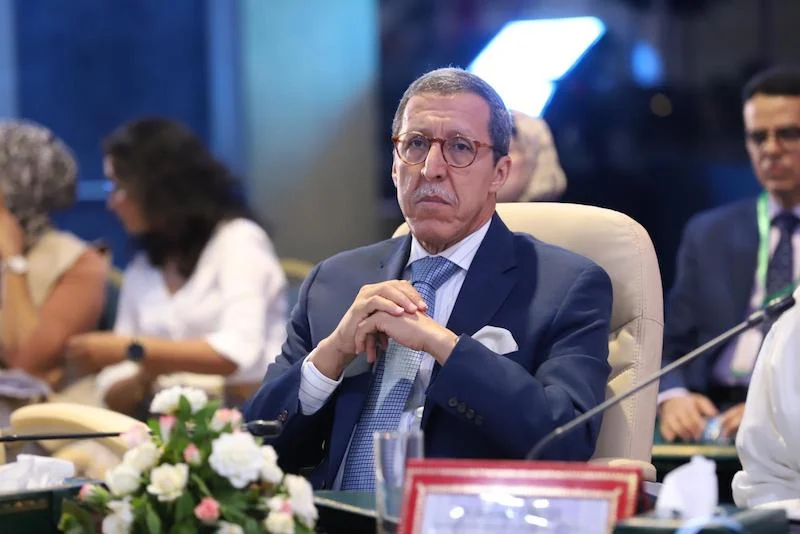
Morocco’s UN Ambassador Omar Hilale delivered a forceful defense of the kingdom’s sovereignty over Western Sahara at the UN General Assembly’s Fourth Committee Wednesday, emphasizing the region’s transformation into a hub of peace and economic development as the nation prepares to mark the 50th anniversary of the Green March.
Speaking in New York, Hilale characterized the Moroccan Sahara as embodying unity, peace, and inclusive progress, and highlighted decades of sustained investment regardless of political process developments. The November 6 anniversary commemorates the 1975 peaceful march that enabled Morocco’s territorial recovery through negotiations compliant with UN Charter principles and international law.
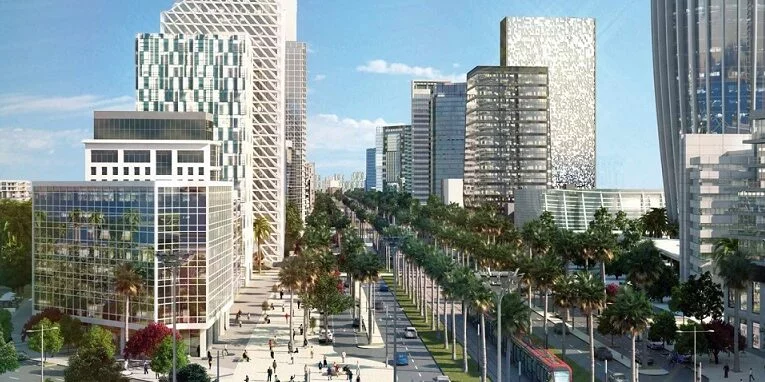
The diplomat challenged critics with concrete development metrics, noting that per capita GDP in the southern provinces ranks among Morocco’s highest. Major infrastructure projects underscore this commitment: the strategic Dakhla Atlantic Port facilitating regional integration, the Tiznit-Dakhla expressway enhancing national connectivity, renewable energy installations positioning the Sahara as an energy transition pillar, plus universities, hospitals, and technology centers serving local populations.
Addressing sovereignty disputes, Hilale emphasized that Morocco’s autonomy initiative fully aligns with UN-recognized self-determination practices, offering democratic self-governance within national sovereignty through an elected parliament, representative executive, and independent judiciary. He stressed that international law prevents interpreting self-determination as justifying secession or challenging territorial integrity, citing UN General Assembly Resolution 1514.
The diplomat highlighted growing international consensus supporting Morocco’s autonomy proposal as the sole realistic solution, quoting King Mohammed VI’s Throne speech acknowledging worldwide recognition of the initiative’s legitimacy. Hilale positioned the southern provinces as central to three major royal initiatives: the Atlantic Initiative for African coastal nations, the Nigeria-Morocco Gas Pipeline, and the initiative in favor of landlocked Sahel countries, giving them access to the sea and promoting thus regional stability and development.