At least 91 civilians were killed in Sudan’s besieged city of El-Fasher within 10 days last month, according to a United Nations statement on Thursday, 2 October 2025.
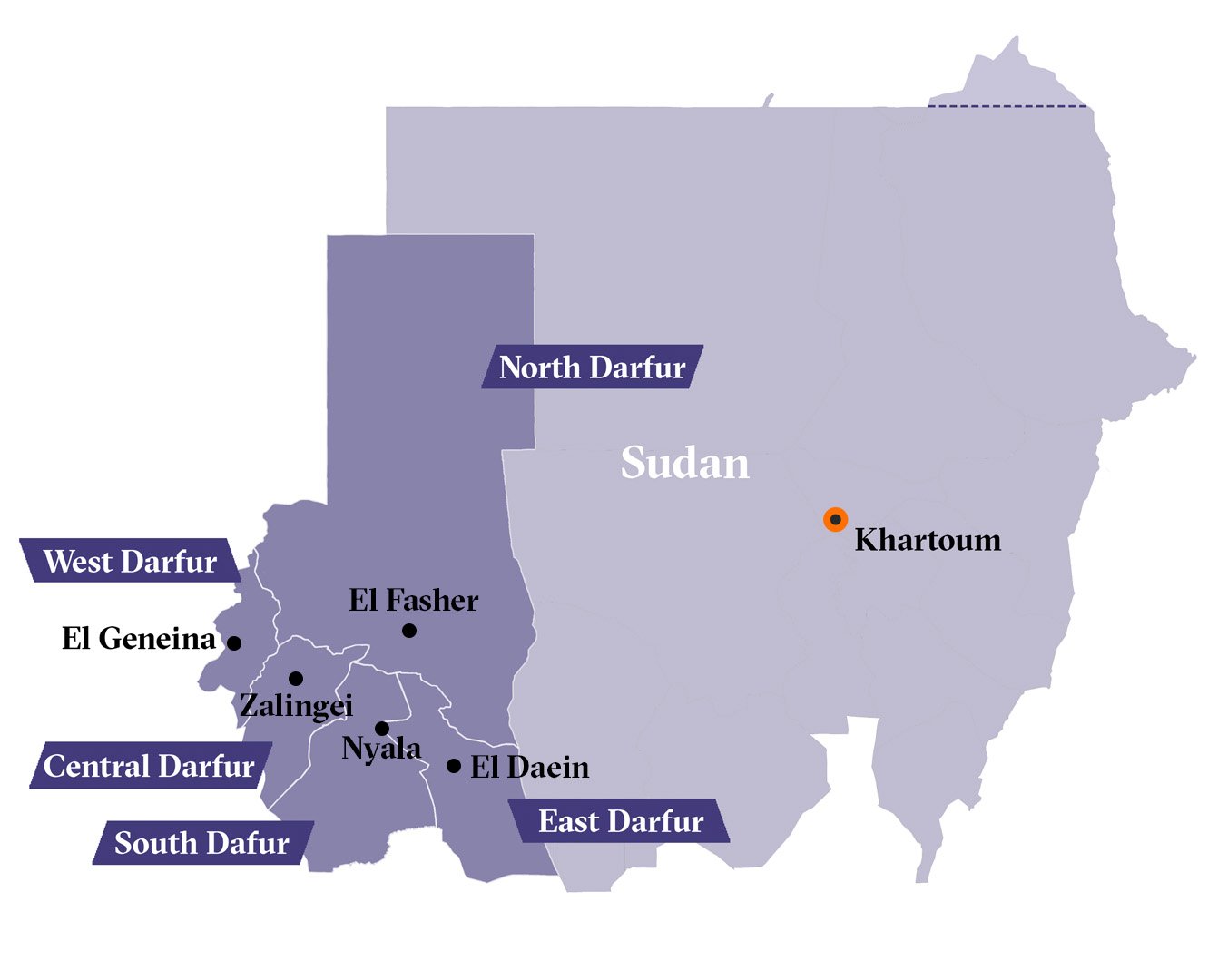
The deaths were the result of intensified attacks by the paramilitary Rapid Support Forces (RSF) between 19 and 29 September, as they continued their push to seize the city from the military. El-Fasher, the army’s last major stronghold in Darfur, has become the focal point of Sudan’s brutal civil war, which erupted in 2023 following a power struggle between former allies — the RSF and the military. The conflict has already claimed at least 40,000 lives and displaced about 12 million people, with over 24 million now facing severe food insecurity.
U.N. High Commissioner for Human Rights Volker Türk condemned the attacks on El-Fasher’s Daraga Oula neighbourhood, citing artillery shelling, drone strikes, and ground incursions by the RSF. On Wednesday, the RSF launched a missile strike on residential areas, killing 16 people, including three women, and injuring 21 others. This came shortly after two separate RSF assaults that killed 15 people in a market and at least 70 worshippers in a mosque. Türk warned of the growing risk of “large-scale, ethnically-driven attacks and atrocities” and called for immediate international action to halt the violence. The Sudanese army claimed it had inflicted heavy losses on RSF fighters, including foreign mercenaries with drone expertise, but the RSF did not respond to requests for comment.
As the siege tightened, civilians have been forced to flee on foot to Tawila, about 60 km away, where Doctors Without Borders (MSF) has been providing emergency medical care. Since 25 September, MSF has received 484 patients, including 111 children, many suffering from gunshot wounds, malnutrition, torture and sexual violence. The journey itself is perilous — some displaced families reported burying relatives along the route, as the severely wounded rarely survive the six-day trek. Aid agencies have warned that without immediate humanitarian access, those trapped in El-Fasher face starvation and preventable deaths due to the lack of food, medicine, and treatment.
The siege has also intensified risks for journalists and activists. According to a Committee to Protect Journalists report on Wednesday, media personnel in El-Fasher face targeted violence, arrests, rape and intimidation by RSF fighters, who rely on informants to track them down. One female journalist was gang-raped after her home was raided. “Everyone is afraid to work,” said journalist Lana Awad Hassan, who fled after being shot in the leg. Meanwhile, Egypt has signaled support for diplomatic efforts to end the siege, with its foreign minister Badr Abdelatty holding talks with his Sudanese counterpart Mohi el-Din Salem. However, details of any potential breakthrough remain unclear.