In response to youth-led demonstrations across several Moroccan cities, the government has pledged to engage in constructive dialogue and address the social grievances voiced by the younger generation.
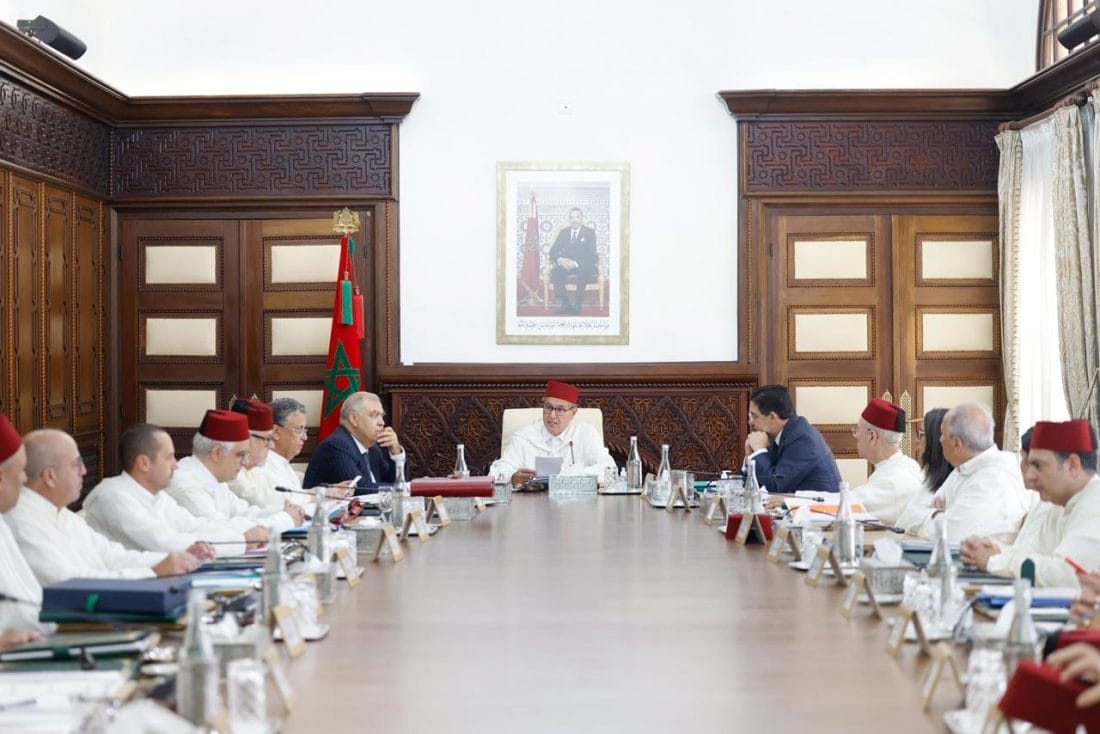
Prime Minister Aziz Akhannouch, speaking at the opening of the weekly cabinet meeting Thursday, emphasized the government’s readiness to interact positively with the demands and concerns expressed by the youth.
Akhannouch acknowledged the recent unrest, which escalated into violent clashes resulting in hundreds of injuries among security forces and significant damage to public and private property. He expressed deep regret over the deaths of three individuals during the protests and commended the security services for their continued efforts to maintain public order while respecting constitutional rights and freedoms.
“The only viable path forward is through dialogue,” Akhannouch stated, reaffirming the government’s commitment to accelerating public policy reforms in response to social demands.
Echoing this stance, Younes Sekkouri, Minister of Economic Inclusion, Small Business, Employment and Skills, stressed the urgency of launching a structured national dialogue that goes beyond sectoral issues like health and education. Speaking at a press briefing following the cabinet meeting, Sekkouri called for a clear and actionable list of demands to be discussed within a reasonable timeframe.
“We have designed several programs that are yet to be implemented,” he said, reiterating the government’s willingness to engage transparently with youth demands and translate them into concrete measures.
Mustapha Baitas, Minister Delegate for Relations with Parliament and Government Spokesperson, also addressed the protests, stating that the government had responded responsibly from the outset through established channels of dialogue and listening.
He emphasized that meaningful dialogue requires mutual engagement and reaffirmed the government’s readiness to begin discussions immediately.
Baitas highlighted ongoing reforms in the health and education sectors, noting significant increases in budget allocations since 2021.
The health sector’s budget rose from 20 to nearly 32 billion dirhams, while education funding surpassed 80 billion dirhams, up from 50 billion. These figures, he said, reflect the government’s awareness of longstanding structural issues and its determination to restore the role of public institutions in delivering essential services.
The government’s approach, Baitas added, is grounded in objective data and evaluation reports, with efforts underway to strengthen legal frameworks and mobilize resources to improve service delivery for all citizens.