In a growing diplomatic rift, Sudan is urging Somalia to help cut off what it calls a dangerous flow of foreign mercenaries and weapons — allegedly routed through Puntland with backing from the United Arab Emirates (UAE).
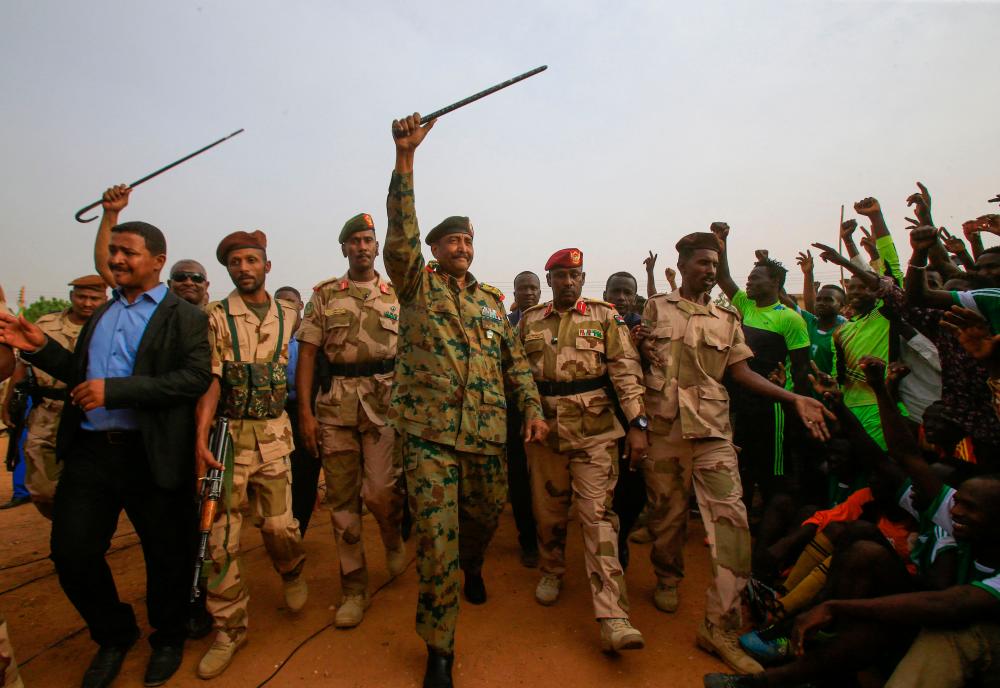
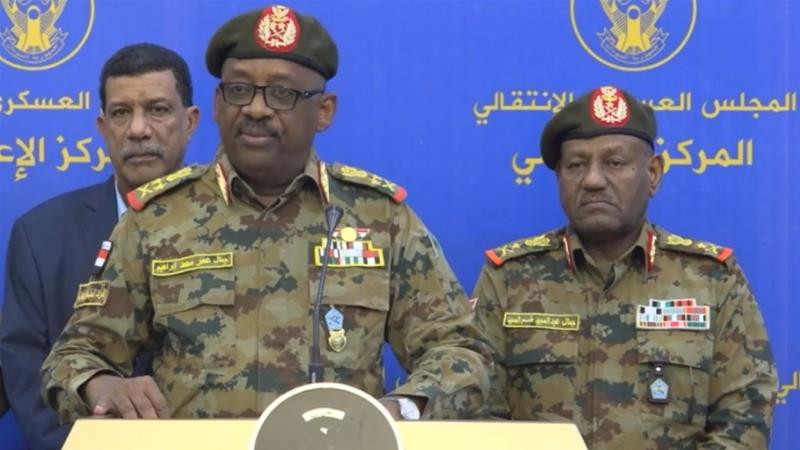
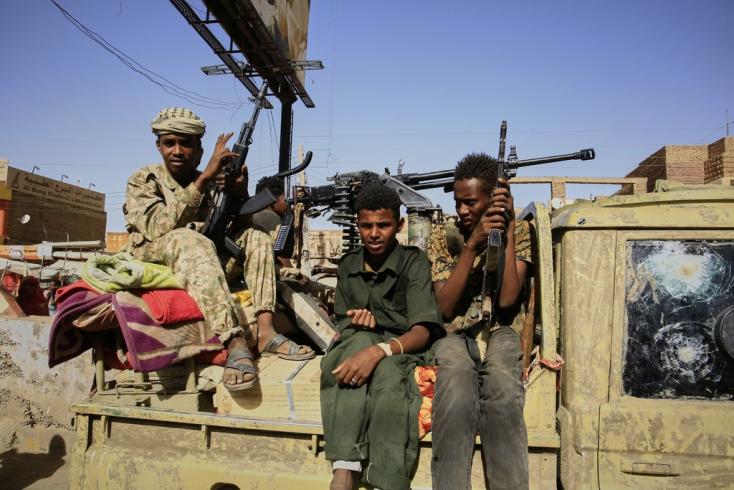
Sudan’s intelligence chief, Lt-Gen Ahmed Ibrahim Ali Mufaddal, met Somali President Hassan Sheikh Mohamud in Mogadishu this week, delivering a message from military ruler Abdel Fattah al-Burhan. The visit follows Sudan’s accusations that UAE-funded mercenaries — some Colombian — are using Bosaso port and airport in Puntland to reach Sudan’s war zone, bolstering the Rapid Support Forces (RSF). The UAE denies involvement, calling Sudan’s claims part of a “disinformation campaign.” Still, the Abu Dhabi’s swift dispatch of a high-level delegation to Mogadishu, led by Minister of State Shakhboot bin Nahyan — just a day after Mufaddal’s visit — signals concern. Emirati officials reaffirmed ties with Somalia, which has criticized UAE relations with Somaliland and Puntland, regions often at odds with the federal government.
Puntland has firmly denied Sudan’s allegations but remains closely aligned with Abu Dhabi. Sudan’s outreach reflects a broader shift: framing its civil war as a transnational crisis hijacked by foreign powers seeking strategic advantage in the Red Sea corridor. Khartoum has recently also accused Uganda, Kenya and Chad of backing the RSF, indirectly, by allowing arms to flow, with all three countries rejecting the allegation. With over 40,000 killed and 12 million displaced, Khartoum now aims to reposition itself not just as a battleground of factions, but as a victim of global proxy warfare demanding urgent international action.