South Africa is fast becoming the new battleground for global automakers, with Chinese and Indian car manufacturers racing to establish a stronghold in Africa’s most developed economy.
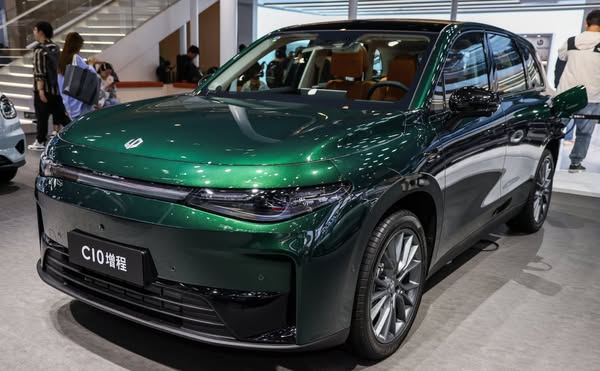
Amid strained U.S. trade relations and shifting global dynamics, brands like Leapmotor, LDV, and Tata Motors are investing heavily in South Africa to access the broader African market. Chinese EV firm Leapmotor, backed by Stellantis, will debut its C10 electric SUV in September 2025, leveraging Stellantis’ dealership network. Meanwhile, LDV, a SAIC Motor brand, is set to unveil its flagship Terron 9 pickup at the Kyalami Grand Prix Circuit this August, targeting South Africa’s premium segment. Tata Motors, returning to South Africa’s passenger vehicle market after a six-year absence, is launching a range of SUVs, hatchbacks, and crossovers via local distributor Motus Holdings. The move marks a strategic comeback focused on affordability, tech innovation, and job creation.
These expansions reflect South Africa’s growing importance within the BRICS trade bloc and its role as a gateway to Sub-Saharan Africa. With its infrastructure, consumer demand, and regional reach, South Africa is becoming the continent’s automotive and EV hub. Chinese automakers are also eyeing local manufacturing to benefit from government incentives, while analysts predict a surge in hybrid and EV adoption driven by low-cost, tech-forward vehicles designed for African markets. “Traditional automakers can’t compete on price because the Chinese will always win,” Phil Dunne, Managing Director of Stax consulting, recently explained the shifting market dynamics. But in markets such as Europe, established global automakers “still have a better understanding of the customer; they have invested heavily in new models and their products are getting better.”