Following the death of Yevgeny Prigozhin and the collapse of the Wagner Group, Russia has recalibrated its strategy in Africa, maintaining influence through a mix of rebranding, expansion, and diversification, according to a new study by The Global Initiative Against Transnational Organized Crime.
The study by the Geneva-based organization notes that Moscow has quickly reassured its African partners, especially in countries like Mali and the Central African Republic (CAR), where Wagner’s brand remains strong due to its involvement in both military and economic sectors. The Russian state has taken greater control, with new entities like the Africa Corps, directly supervised by Russia’s military intelligence service (GRU), continuing Wagner’s operations under different names.
Russia’s influence has expanded into countries like Burkina Faso, Chad, and Niger, where governments have sought alternatives to Western powers, particularly France. These nations are now exposed to Russian-backed pro-Russian narratives, as seen in the ‘African Initiative’ in Burkina Faso. While Wagner’s name is still used in recruitment efforts, the Kremlin’s new approach aims for a more organized, military-business complex, involving PMCs like Redut and Convoy, which are tightly controlled by the Russian Ministry of Defence.
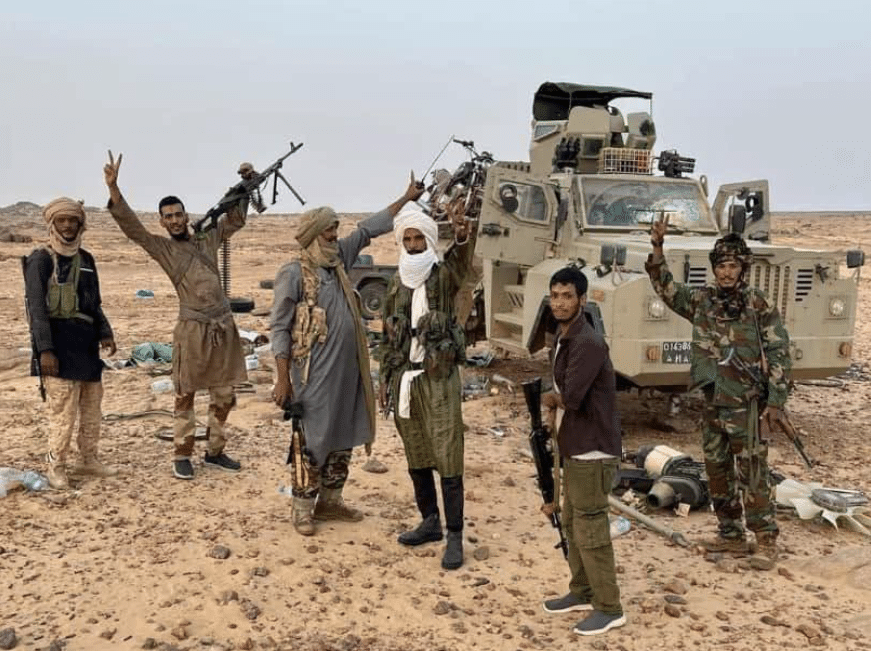
In Sudan, Russia has shifted alliances from the paramilitary Rapid Support Forces to the Sudanese Armed Forces, seeking control over strategic interests like a Red Sea naval base. “Russia maintains the ‘grey zone,” says the study, adding that “in some countries, notably Sudan and to a much lesser extent Libya, Russia has engaged with both sides in an ongoing conflict, enabling it to maximize its leverage and position itself to best advantage as needs dictate.” While this diversification strengthens Russia’s foothold, the growing discontent in targeted regions, especially northern Mali, indicates that Russia’s expanded presence may be increasingly vulnerable to local conflicts and international scrutiny.