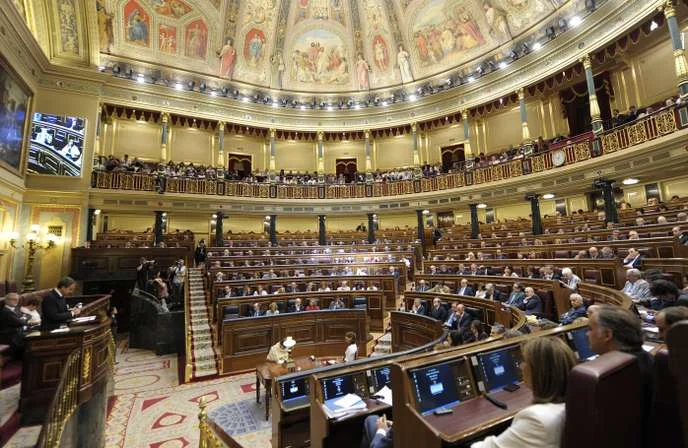
The Spanish parliament’s recent approval of a law granting citizenship to Sahrawis born under Spanish colonial rule before September 1977 and to their direct descendants has been welcomed by many within the Algeria-sponsored Polisario front’s orbit.
This reaction alone should end any remaining illusion that Polisario constitutes a national liberation movement as they wish to call themselves.
Authentic liberation movements do not celebrate the opportunity to acquire the nationality of the former colonial power.
When significant numbers of Polisario activists view Spanish passports and identity cards as a desirable outcome, they are signaling a clear preference for European mobility, social rights, and an exit from the separatist-administered camps in Algeria.
By creating this pathway, Spain is effectively offering Algeria a strategic and humanitarian lifeline. For half a century, Algeria has hosted, financed, armed, and instrumentalized the Tindouf camps as a geopolitical pressure tool against Morocco.
A mass departure facilitated by Spanish citizenship would reduce the burden of keeping Sahrawis in the camps nurturing a separatist chimera at a time Morocco secured increasing global support for its sovereignty and historic rights to the Sahara.
If the citizenship law gets adopted, Spain would absorb what Algeria considers now a liability.
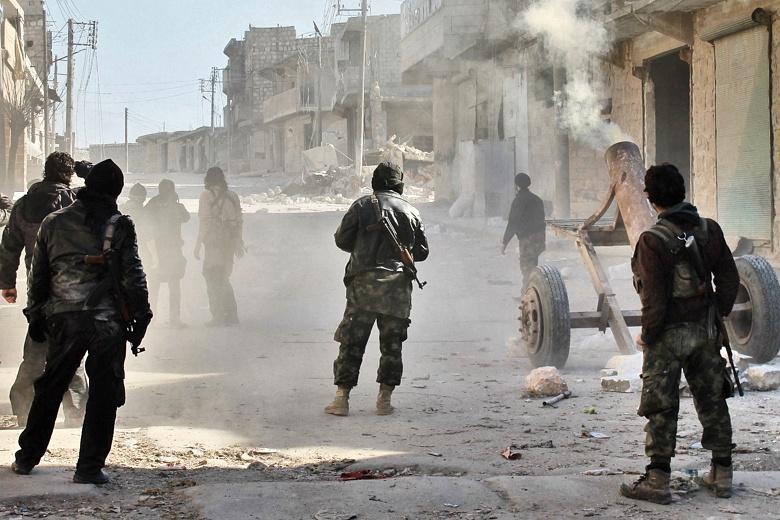
While the Spanish right complains about migrants, many of those in the camps- effective candidates for the citizenship move- are battle-hardened. Decades of militarized existence, political indoctrination, and intermittent conflict have produced fighters and cadres with real combat experience.
Any large-scale movement of this population into Spain or the wider European space carries security implications that Madrid appears reluctant to acknowledge.
Worse still, Spain continues to act with the selective instincts of a colonial power. Before presenting itself as a generous benefactor or moral arbiter in the Sahara issue, Spain must first address the harm it inflicted on the Rif through the systematic use of chemical weapons in the 1920s.
The Spanish army’s deployment of mustard gas and other chemical agents against the Rif Republic remains one of the darkest and least-accounted-for chapters of its North African record.
No serious process of historical recognition or meaningful redress has taken place. A state that has not confronted this episode lacks the moral authority to lecture others or to redesign the demographics of a neighbouring conflict on its own terms.
Finally, Polisario lacks independent agency. It has long functioned as an Algerian proxy. Its leadership, funding streams, diplomatic positions, and military posture have been shaped primarily by Algiers’ regional ambitions rather than by autonomous Sahrawi decision-making.
The Spanish citizenship law therefore does more than restore documents. It reveals the true character of Polisario, that of an Algeria dependent structure whose leaders prioritize exit options.