In the wake of Spain’s self-inflicted migration crisis, analyses underpinned by Moroccophobia spawned in Spanish media. Some suggested Spain should consider cutting or threatening to cut electricity flows through the submarine cables to Morocco as leverage. Such proposals ignore the mutual benefits of the interconnection and risk exposing deeper economic interdependence, energy experts and bilateral project records indicate.
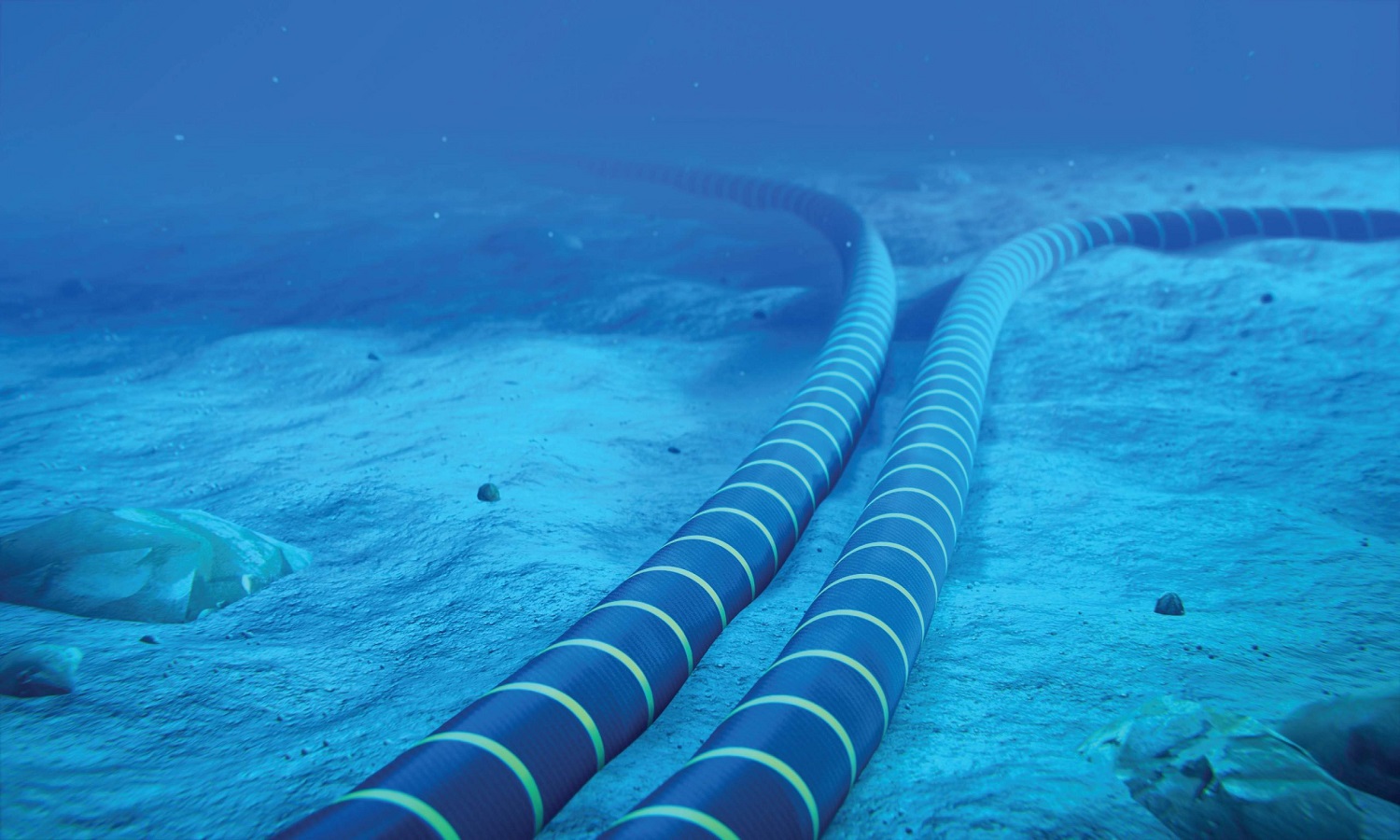
Spanish outlets have described the two existing 29-kilometre cables linking Tarifa in Spain to Morocco as Rabat’s “umbilical cord,” arguing that Rabat depends far more on the link than Madrid and that Spain could use disconnection as a deterrent following large-scale migrant crossings into Ceuta.
Some commentaries have framed the infrastructure as a strategic pressure point Spain should activate or threaten.
Yet the record shows the cables have delivered clear advantages to both sides. Before 2021, Spain was frequently a net importer across the interconnection. In recent years the balance has shifted toward Spanish net exports, but the link remains two-way and provides critical grid stability.
During the major power outage that hit southern Spain last year, the cable was the “umbilical cord” that powered homes and vital institutions and helped Spain overcome the power dysfunction.
hundreds of megawatts at peak were exported by Morocco to Spain in April 2025, helping restore electricity. Spanish Prime Minister Pedro Sánchez publicly thanked Morocco alongside France for the assistance.
Morocco has emerged as a major renewable-energy producer, with large-scale solar and wind projects capable of supplying clean electricity northward.
Portugal is actively studying a direct electricity cable with Morocco; France has explored similar links and launched a call for expressions of interest to that end. Private consortia are advancing long-distance undersea projects designed to export Moroccan renewable power to Germany.
At the same time, Spain and Morocco continue planning a third interconnection to expand capacity and better integrate renewable generation. Calls to sever the existing links, critics of the Spanish media analyses argue, reflect a wave of Morocco-phobia that the recent migration crisis has brought into the open.
Economically, Spain relies on Morocco across multiple domains- from energy cooperation and trade to migration management and supply-chain stability – more than the reverse asymmetry claimed by some commentators.
Morocco’s rapid infrastructure development, including major ports, has drawn criticism from certain Spanish nationalist voices who appear intent on limiting Rabat’s growth. Such attacks raise the question of whether the goal is to keep Morocco economically constrained rather than to build balanced, mutually beneficial relations.