Morocco has rapidly equipped millions of citizens with digital wallets but is struggling to convert infrastructure into daily payment behavior. According to an analysis by Aurora Strategy Consulting, the country counted 13.8 million open wallets at end-2024 and approximately 3.8 million active ones — an activity rate of 18 percent and an adult equipment rate of around 35 percent, more than half the national banking penetration rate. Equipment is progressing steadily; actual usage is lagging far behind.
The transaction data confirms the gap. Excluding cash-in and cash-out operations linked to the government’s direct social aid disbursements — which drove most new account openings, as recipients withdraw funds immediately in cash — wallet transactions at end-2024 totaled just 19.7 million operations valued at 3.9 billion dirhams, roughly 0.2 percent of GDP. Bill payments and mobile top-ups account for 64 percent of volume and 51 percent of value. Merchant payments remain embryonic at 6 percent of transactions and under $5 million in annual value. A typical active wallet generates just five transactions per year — ten to twenty times fewer than in leading mobile money markets.
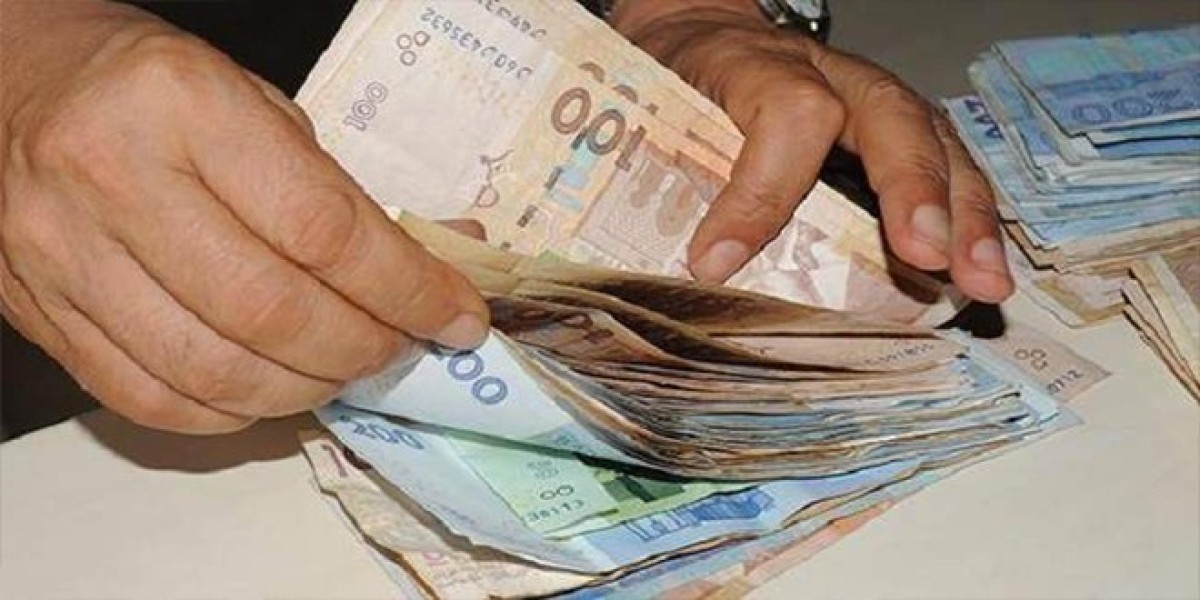
Cash dominance provides the structural explanation. Morocco ranks among the most cash-intensive economies at its income level: its cash-to-GDP and cash-to-household-consumption ratios in 2024 exceeded those of Egypt, Kenya, Côte d’Ivoire and Senegal — all countries with far stronger mobile payment adoption. Cash holdings per capita are estimated at two to five times the level of comparable economies that have successfully digitalized everyday payments, reflecting a transaction model built around proximity commerce, informal trade and interpersonal transfers in which cash is the default.
Morocco’s market structure adds further complexity. Payment institutions lead with around 8 million wallets (58 percent market share), ahead of banks at 3.2 million (23 percent, largely via Al Barid Bank) and telecoms at 2.6 million (19 percent). Unlike in Kenya or Côte d’Ivoire, where telecoms drove mass adoption through distribution networks and marketing scale, Morocco’s dominant operators are former money-transfer firms whose business model still depends on cash-to-cash flows and international remittances — more remunerative than wallet transactions. Migrating to lower-margin digital volumes means cannibalizing existing revenues: a genuine strategic dilemma.
Aurora Strategy Consulting identifies Morocco’s proximity retail sector as the most promising adoption lever. Corner shops and neighborhood grocers account for 78 percent of food distribution, with average baskets of MAD 20 to 30 paid almost entirely in cash. The informal credit system — the running tab known as the “carnet” — plays a social role digital that wallets have yet to replicate. The firm proposes an embedded finance model in which payment institutions offer 24-to-48-hour restocking liquidity — estimated at MAD 3,000 to 4,000 daily for a typical grocery turning over MAD 1 to 1.5 million annually — secured against commercial flows. This, it argues, is a more viable path for Morocco than replicating the P2P transfer model that has driven adoption elsewhere in Africa.