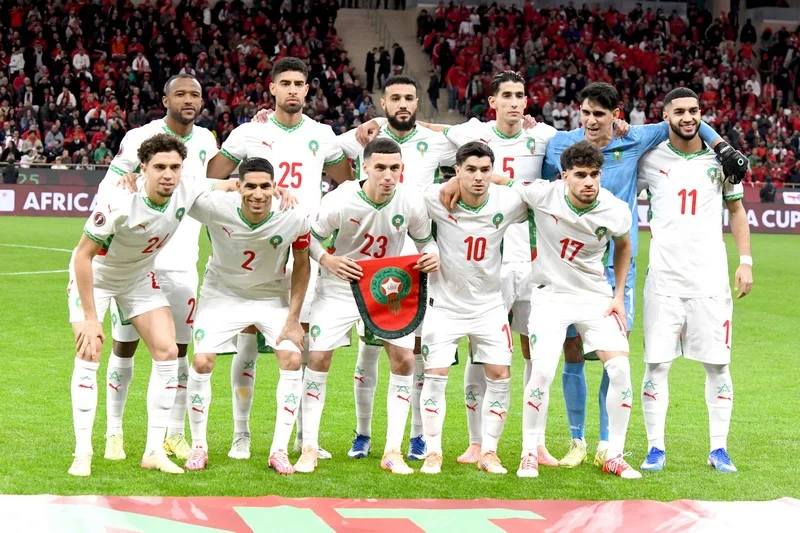
Morocco’s progression to the knockout stages of the 2026 FIFA World Cup, sealed with a well-deserved victory over the Netherlands in Monterrey, has reinforced how football has become one of the vehicles for the country’s growing soft power and international visibility.
Morocco defeated the Netherlands on penalties after a 1–1 draw on June 29, advancing to the round of 16 in a match dominated by the Atlas Lions.
The result follows a broader trajectory established during the 2022 World Cup in Qatar, where Morocco became the first African and Arab nation to reach the semi-finals, followed by the African Cup of Nations win in January.
Analysts say the back-to-back high-level performances have helped shift Morocco’s international profile from that of a regional player to a country with increasing global reach, illustrating how sporting outcomes can translate into reputational gains.
The 2022 World Cup, watched by more than five billion people worldwide, gave Morocco unprecedented exposure, placing the country at the center of global media coverage for several weeks. That visibility is widely seen as having strengthened perceptions of Morocco as a capable and competitive nation, with implications beyond sport in areas such as tourism, investment, and diplomacy.
The 2026 tournament has reinforced those gains. Morocco’s ability to replicate its performances against established football powers has contributed to an image of consistency and resilience, key attributes in the accumulation of soft power. Unlike in 2022, when Morocco was widely viewed as an underdog, its current campaign reflects a shift toward recognition as a credible footballing nation that competes for the trophy.
Large numbers of Moroccan fans gathered in the city ahead of the match, while local supporters joined celebrations following the team’s victory. Observers say such interactions illustrate the role of football in fostering people-to-people connections, a core component of soft power.
The broader impact extends to economic and reputational indicators. Global sporting exposure often correlates with increased tourism interest and stronger national branding, as countries benefit from sustained media attention and positive narratives. Morocco’s performances have contributed to heightened global awareness, reinforcing its position as a prominent destination and regional hub.
Football’s role in this process reflects a wider strategic use of sport as a diplomatic tool. Morocco has invested in infrastructure and positioned itself as a host for major events, including the 2025 Africa Cup of Nations and the jointly organized 2030 World Cup with Spain and Portugal, underscoring its intention to leverage sport for long-term international engagement.