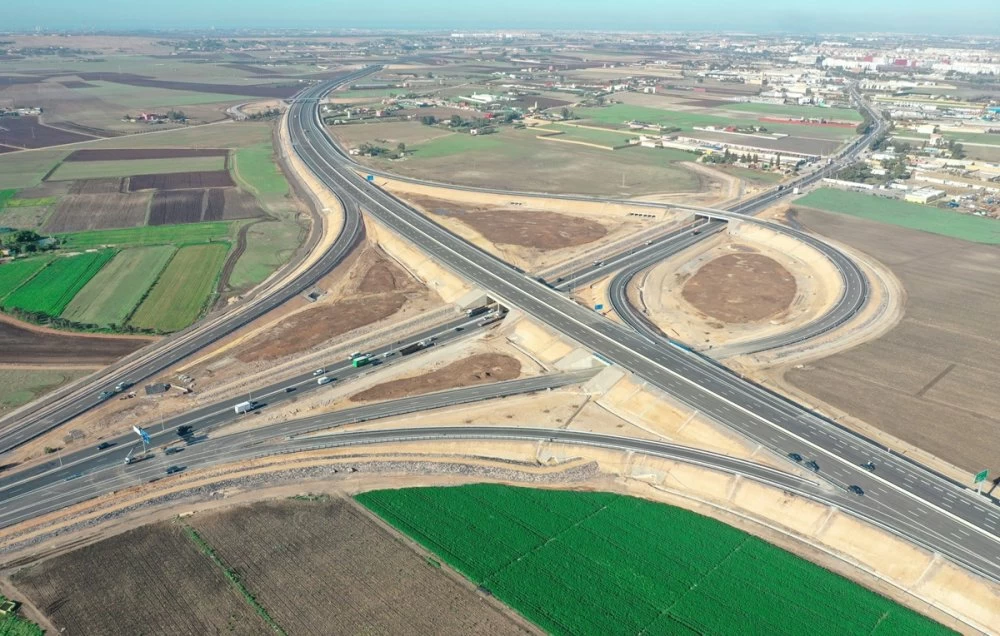
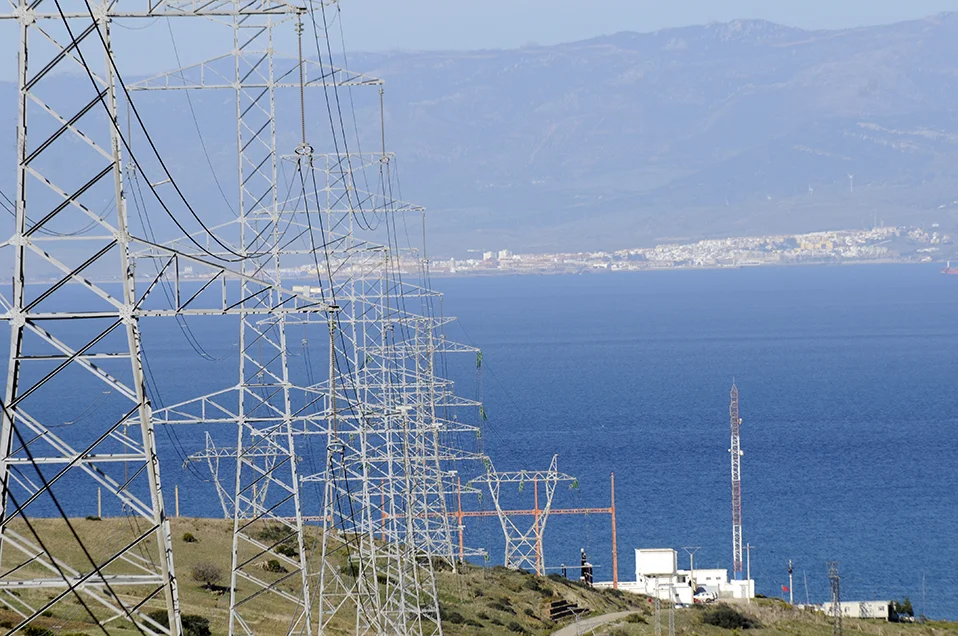
The Société nationale des autoroutes du Maroc (ADM) is preparing to commission a strategic advisory mission to design a comprehensive decarbonation roadmap for its highway network, in a move that aligns Morocco’s largest road infrastructure operator with the country’s national energy transition commitments. The consultancy will cover the full lifecycle of ADM’s energy decarbonation trajectory, from diagnostic baseline to operational investment roadmap, and is expected to be launched in the immediate term.
The rationale for the study reflects a straightforward energy reality. ADM’s network spans toll plazas, service areas, operational buildings, and highway lighting across Morocco’s full national motorway system. These sites represent a significant aggregate energy footprint, dispersed across multiple geographic zones with varying solar and wind endowments and currently underutilized renewable production potential. The first phase of the study will establish the empirical baseline: field visits to twelve pilot sites — six toll plazas and six service areas — combined with analysis of historical consumption data and international benchmark comparisons.
The second phase constitutes the analytical core. It will assess the renewable energy potential — primarily solar photovoltaic — available at each major geographic zone of the network, model site-specific production estimates, and project long-term cost scenarios. This phase will also integrate forward-looking demand evolution: traffic growth projections, the anticipated rollout of electric vehicle charging infrastructure at service areas, and planned network extensions. The study will evaluate storage options, self-consumption models, grid injection arrangements, and third-party investment structures against a multi-criteria framework covering economic, technical, regulatory, and institutional dimensions.
The third phase translates analysis into decisions: a site-by-site deployment sequencing, investments phasing across short, medium, and long-term horizons, and recommendations on contractual and organizational models. The consultancy wis also required to identify available financing mechanisms, including potential partnerships with ONEE and MASEN as institutional anchors, and to recommend structures for coordination with service area operators who manage the commercial concessions within ADM’s infrastructure.
The study is consistent with ADM’s broader strategic trajectory. The European Investment Bank approved a new strategic partnership with ADM earlier in 2026, providing a €300 million- loan to support a modernization and resilience program ahead of the 2030 World Cup and ongoing climate adaptation. Decarbonation of the network’s energy infrastructure is the next logical step: the World Cup spotlight, international investor expectations, and Morocco’s NDC commitments under the Paris Agreement all create converging incentives to move from intention to execution on the highway sector’s contribution to the national net-zero trajectory.