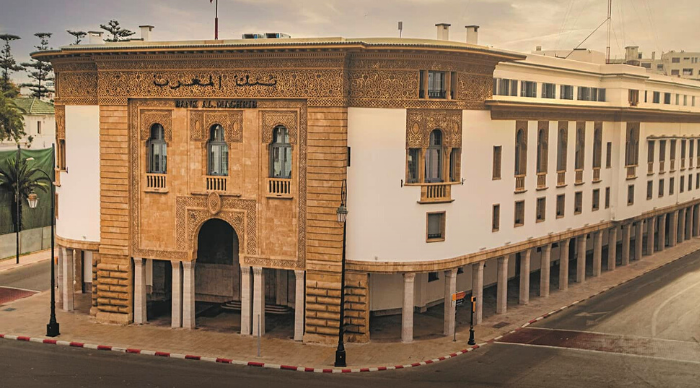
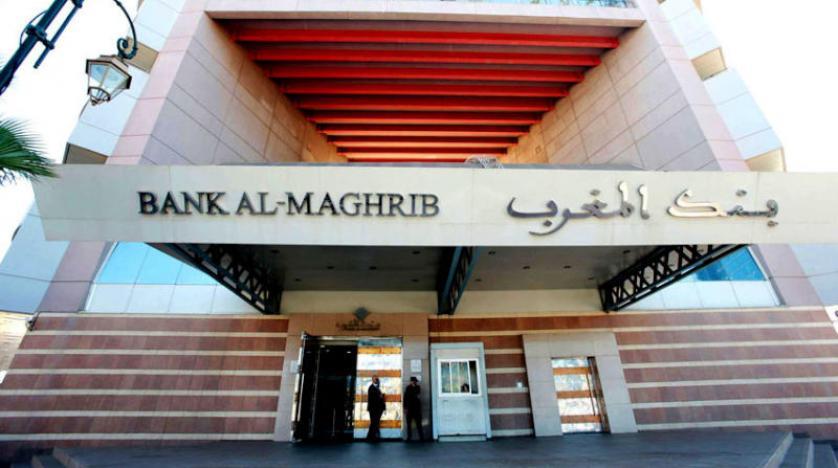
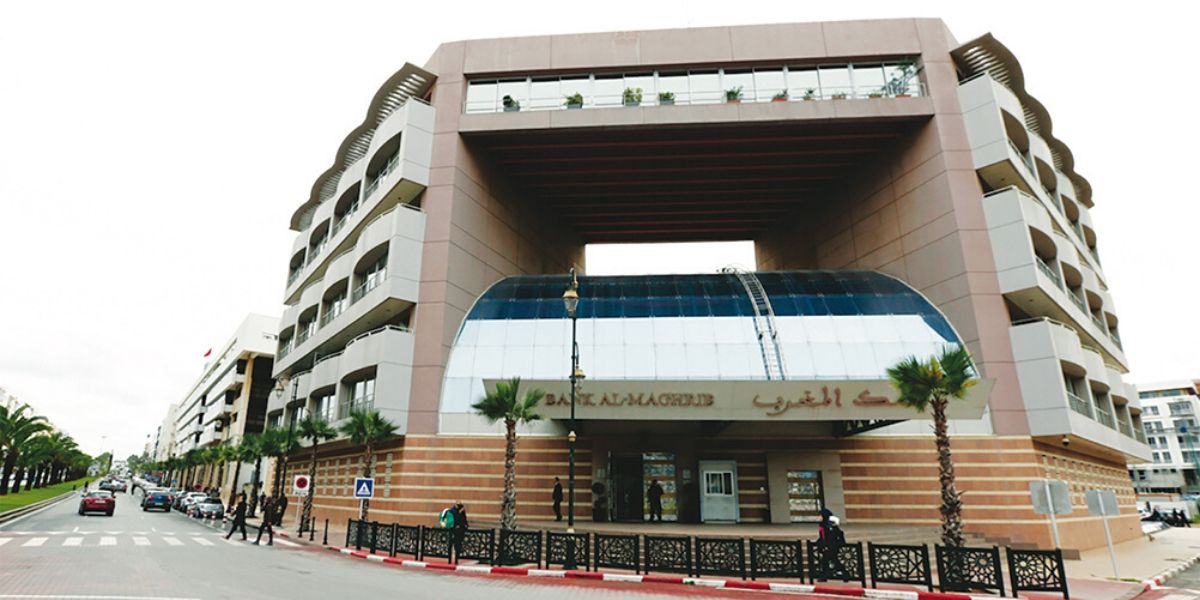
Morocco’s central bank is widely expected to maintain its benchmark interest rate at 2.25% when its policy council convenes on March 17, in what would mark the fourth consecutive pause in the current monetary cycle. Despite domestic macroeconomic conditions that would ordinarily justify further easing, geopolitical turbulence stemming from the Middle East conflict has prompted analysts and institutional investors to unanimously favor the status quo.
A survey conducted by BMCE Capital Global Research found that all participating institutional investors anticipate a rate hold at the upcoming meeting. More strikingly, 86% of respondents foresee no additional cuts for the remainder of 2026, with only a small minority expecting a single further reduction before year-end. The current monetary stance is broadly regarded as well-calibrated to prevailing conditions.
On paper, the case for easing remains credible. Consumer price inflation dipped 0.8% year-on-year in January 2026, briefly turning negative, while Bank Al-Maghrib projects full-year inflation at a contained 1.3%. Economic growth reached approximately 5% in 2025 and is forecast to moderate to around 4.5% in 2026, supported by agricultural recovery and buoyant non-farm activity. Bank credit expanded 8.4% year-on-year through January, with average lending rates continuing to ease.
However, the outbreak of open hostilities between the United States, Israel, and Iran in late February has fundamentally altered the risk calculus. The Strait of Hormuz — through which a significant share of global energy trade flows — has become a focal point of instability. For Morocco, a net energy importer, any sustained rise in hydrocarbon prices carries direct inflationary pass-through risks via energy costs, logistics, and imported input prices.
BMCE Capital’s analysts model two scenarios. A contained escalation — with Brent holding above $85 — could shave 0.4 percentage points off growth while nudging inflation toward 2%. A prolonged conflict could cost up to a full point of growth and push inflation between 3% and 4%. Against that backdrop, preserving monetary policy headroom is seen as the prudent course — and the market has already priced in the hold.