Two non‑governmental organizations raised serious concerns over the persistent human rights violations inside the Polisario-run Tindouf camps in southwestern Algeria, spotlighting the case of a 13‑year‑old boy reportedly subjected to torture and separate allegations involving violence against women and girls.
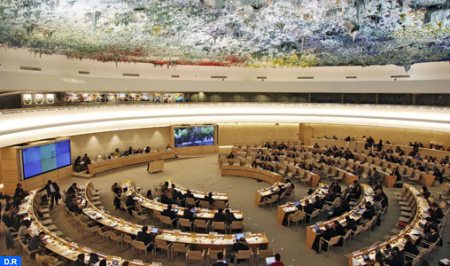
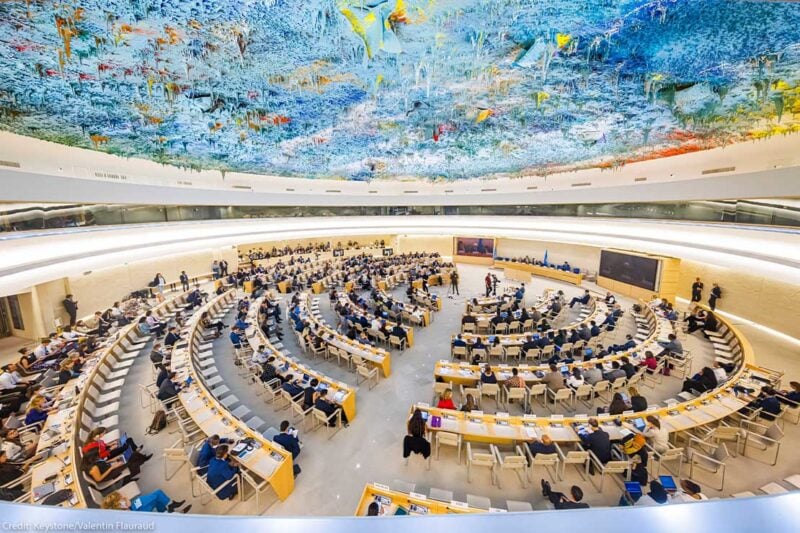
Speaking at the 61st session of the UN Human Rights Council, the NGOs urged UN bodies to launch an independent inquiry into conditions in the camps administered by the Polisario Front.
In a presentation under Item 4 of the Council’s agenda, the Mauritania Development Unity Network drew attention to the case of Mouloud El‑Mahjoub, a minor allegedly abducted and detained on February 25, 2026.
According to the organization’s representative, Abdelouahab El‑Kaïn, the boy was reportedly subjected to severe beating and burning by individuals who accused him of sexual assault.
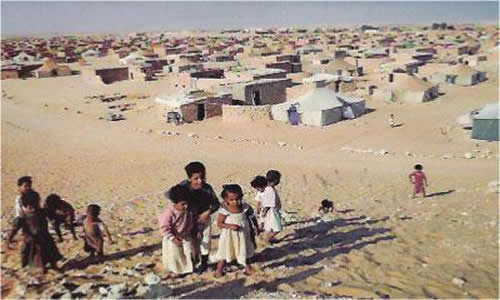
His case is representative of scores of children who have been abused in camps where minors are often separated from their families and sent to military training camps in Algeria and Cuba.
The organization warned that the absence of judicial action or protection measures “raises serious concerns about entrenched impunity” within the camps, stressing that the lack of independent judicial institutions or international monitoring further exposes children to physical and psychological harm.
It called for urgent protection for the child and his family and urged the deployment of a UN fact‑finding mission to assess the human rights situation in the camps.
Violence against women
In a separate statement, the Agence Internationale pour le Développement highlighted what it described as a recurring pattern of abuse affecting women and girls in the camps.
Speaking on behalf of the organization, Manuel Navarro Benialosa referenced the case of Khadijto Mohamed Mohamed, presented as a survivor of sexual violence allegedly involving Polisario secretary‑general Ibrahim Ghali.
The organization argued that testimonies from within the camps point to a long-standing environment marked by physical, sexual, and psychological violence, compounded by restricted freedoms, limited access to justice, and intense social pressure discouraging victims from reporting abuses.
It further denounced what it characterized as a system of political and social control that complicates the disclosure of violations and leaves victims without protection mechanisms.
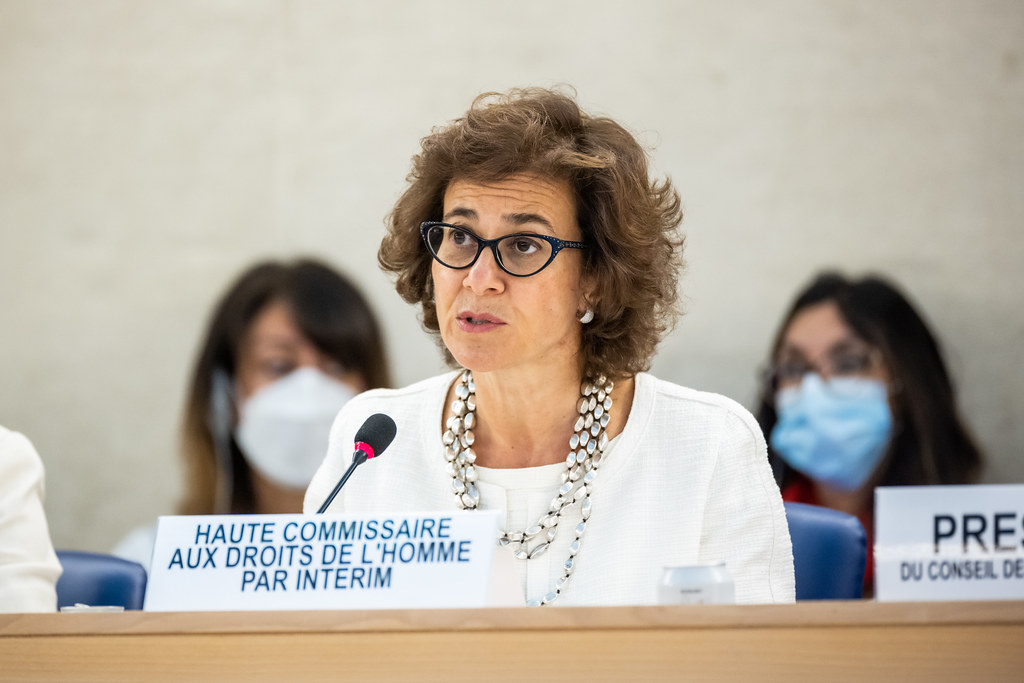
Both NGOs appealed to the Human Rights Council to formally acknowledge the situation of the alleged victims and to initiate an independent, transparent investigation under the supervision of the UN High Commissioner for Human Rights.