Morocco’s government is closely monitoring the impact of rising geopolitical tensions on the national economy and prices, government spokesperson Mustapha Baitas said, stressing the resilience of the country’s economic fundamentals despite the global uncertainty.
The government, he said, “continues to follow the situation closely and will not hesitate to take any additional necessary measures to safeguard the gains achieved and maintain growth momentum and institutional stability,” Baitas told reporters.
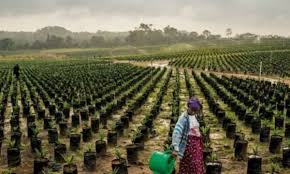
Baitas said prospects are positive for the Moroccan economy, citing agricultural indicators amid improved conditions, coupled with ongoing government subsidies, including barley distribution and direct support to farmers to help rebuild livestock herds and stimulate rural employment.
The government anticipates a return to value‑added levels comparable to those achieved during the Green Morocco Plan, with final figures to be released at the Meknes International Agriculture Show.
Baitas also welcomed the recent rating issued by Moody’s, describing it as the first of its kind for Moroccan institutions in nearly three decades.
The assessment, he said, underscores the effectiveness of government measures and adds to a series of positive ratings that strengthen international confidence in the economy.
He cited improvements in key macroeconomic indicators, including a budget deficit of 3.5% in 2025- expected to remain stable this year- before declining to 3% in 2027. Treasury debt has fallen to 67.2%, while foreign direct investment reached a record 56 billion dirhams.
Morocco posted growth of 4.8%, supported by industry, exports, services and a surge in tourism. Inflation dropped to 0.8% from 6.6% in previous years.