Morocco is accelerating one of Africa’s most ambitious desalination program as it seeks to secure steady drinking water supplies, support agriculture and meet rising industrial demand, according to Water Minister Nizar Baraka.
The country aims to mobilize 1.7 billion cubic meters of desalinated water annually by 2030, a strategy centered along its coastline and built on public–private partnerships (PPPs), modern technology and coordinated planning, Baraka told L’Economiste.
Eleven projects are currently planned across regions including the Oriental, Tangier, Rabat, Essaouira and Guelmim, with studies already completed.
Work is also advancing on the Souss‑Massa plant, while cooperation with phosphate giant OCP supports the expansion of the El Jadida and Safi facilities to supply both drinking water and industrial use, he said.
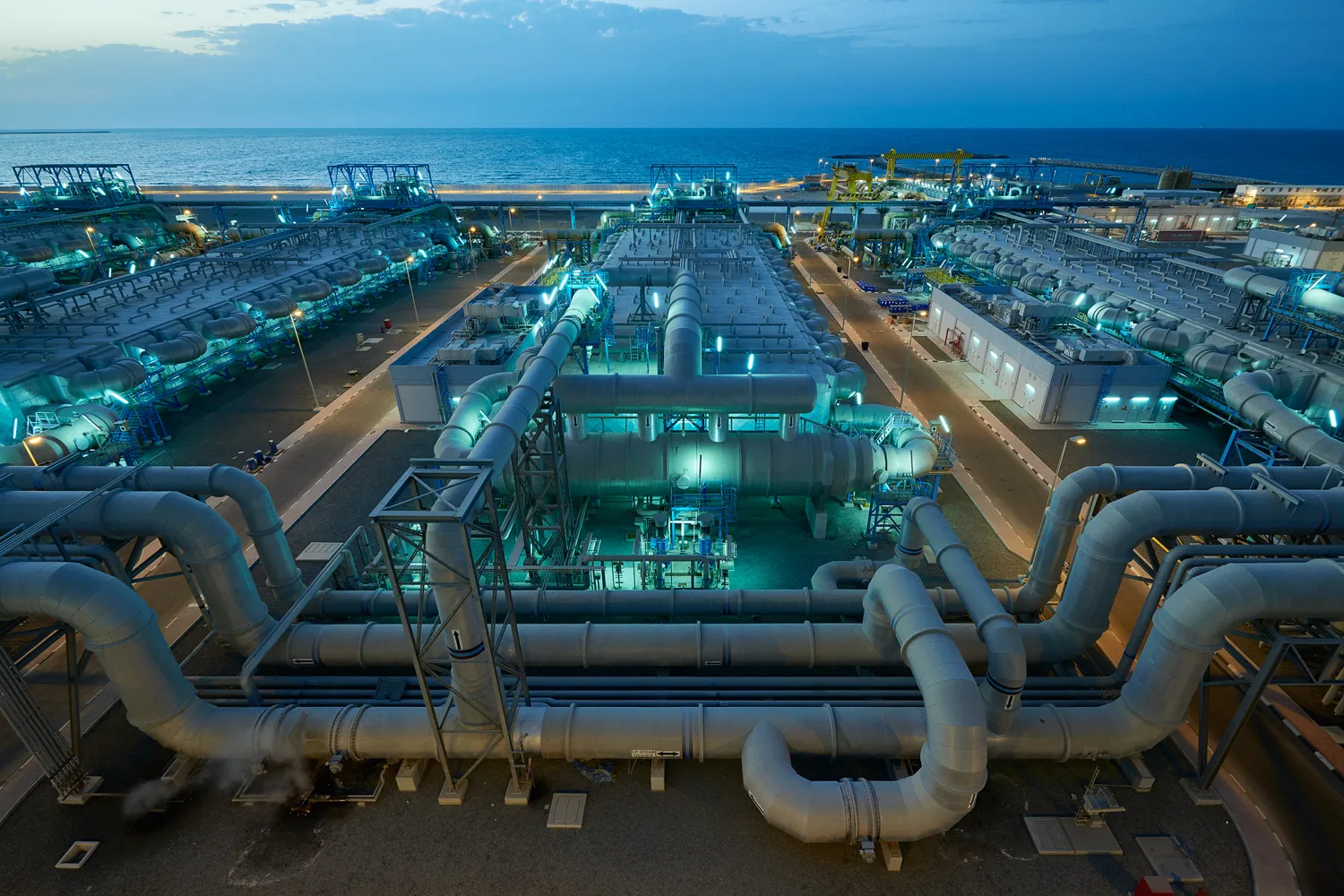
Morocco today operates 17 desalination plants producing 350 million cubic metres per year, with four additional projects – including expansions at El Jadida and Safi – under construction.
In the south, construction of the Dakhla plant has reached 78% completion and will be paired with a dedicated wind farm, while Casablanca is preparing to host Africa’s largest desalination plant, with a total capacity of 300 million cubic metres a year, he said.
To ensure water equity nationwide, Morocco is also deploying mobile desalination units. A total of 124 units are already producing 771 litres per second from seawater and brackish groundwater, while 77 more, with a capacity of 514 litres per second, are being commissioned.