Morocco’s Minister of Economy and Finance, Nadia Fettah, said the government had prepared cushions in response to rising geopolitical tensions in the Middle East, warning that global uncertainty could rekindle pressure on energy markets and supply chains.
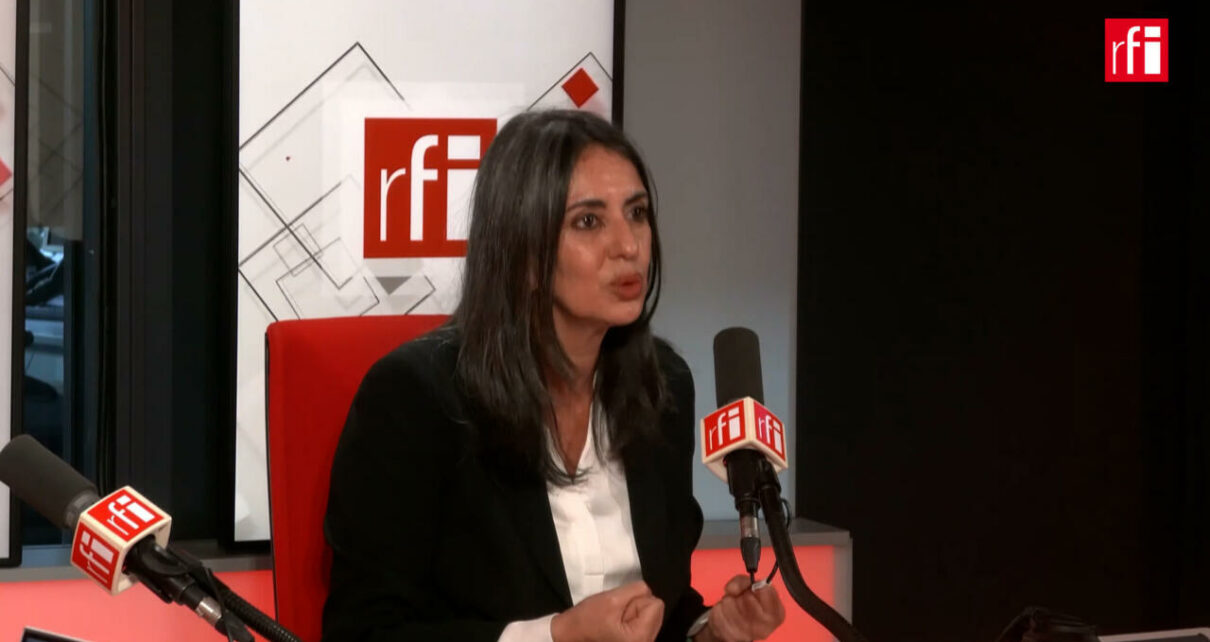
Speaking in an interview with Radio France Internationale (RFI), Fettah said the Kingdom was approaching the situation with “prudence and anticipation,” especially given Morocco’s heavy dependence on imported hydrocarbons.
Fettah began by placing Morocco’s position within a broader human and political context. “All of Morocco is witnessing this escalation with deep consternation, with a particular thought for civilians who always pay the heaviest price in times of crisis,” she said.
“His Majesty the King personally contacted the heads of state of brotherly and friendly countries to express our support and solidarity,” she noted, stressing the diplomatic dimension of Morocco’s response to regional instability.
The minister emphasized that the government’s role was to anticipate economic fallout should a regional conflict disrupt global energy markets.
“As Minister of Economy and Finance, it is essential to remain extremely attentive to developments, because our responsibility is to anticipate and manage any potential impact on our country, on our population, and on our economy,” she said.
Drawing on recent experience, Fettah argued that Morocco had strengthened its macroeconomic management tools after facing multiple global shocks, from the Covid 19 pandemic to worldwide inflationary pressures and energy disruptions linked to the war in Ukraine.
“Morocco has demonstrated the resilience of its economy in times of crisis. We now have hydrocarbon reserves and foreign exchange reserves,” she said, adding that the Kingdom also relies on established public policy instruments capable of cushioning the social effects of external shocks.
Energy costs remain a central concern, the minister said, as they directly affect household purchasing power and business competitiveness. She noted that the government had already used various mechanisms to stabilize energy and public transport prices when needed.
“If people immediately think of fuel prices, it is important to remember that many citizens rely on collective transportation. The bus ticket must remain affordable,” she said. For now, however, Fettah stressed that Morocco had not seen any immediate impact from the regional tensions.
However, the minister’s communication strategy triggered domestic controversy. Her interview with RFI came just days after she spoke to France’s BFM TV, a move that sparked sharp criticism from Moroccan media, which accused her of ignoring national outlets in favor of foreign platforms.
Commentators argued that a senior minister addressing sensitive economic issues should prioritize Moroccan journalists rather than what some described as “communication by proxy through foreign channels.”