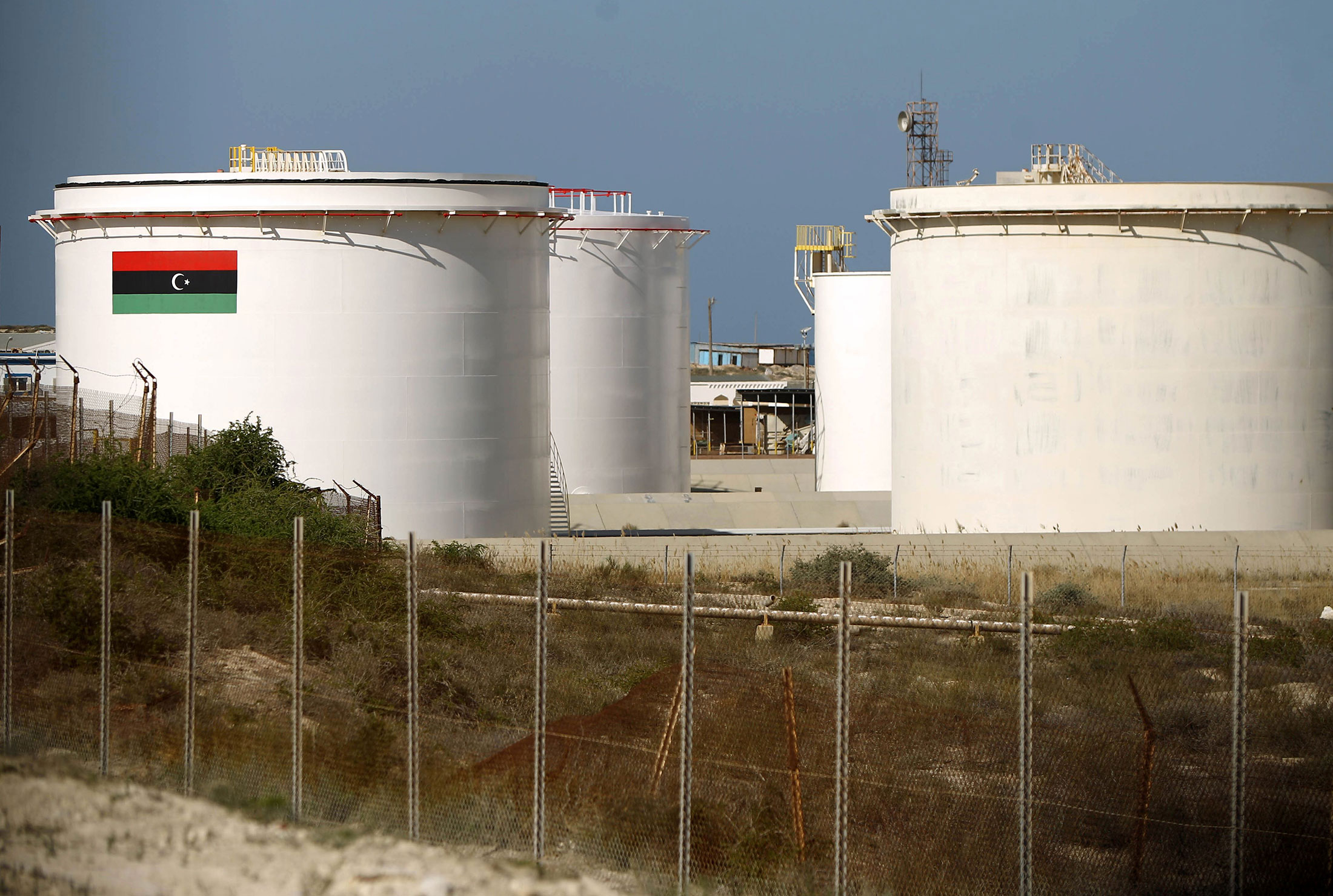
The Chairman of the National Oil Corporation, Masoud Suleiman, has identified the expansion of domestic fuel production as a strategic lever for revitalizing Libya’s economy, warning that ageing refinery designs, obsolete technologies and weak output have widened the gap between local supply and demand. He said Libya’s five basic refineries have a combined capacity of 380,000 barrels per day, but actual output is around 180,000 barrels per day following the shutdown of the Ras Lanuf refinery in 2013, deepening reliance on fuel imports.
Suleiman outlined plans to upgrade existing refineries, increase total capacity to 660,000 barrels per day, and construct new facilities, including the Southern Refinery. He said these investments would reduce imports, improve efficiency in the sector and enhance the oil industry’s economic viability.
According to projections, refining sector development could achieve self-sufficiency in cooking gas by 2033, diesel by 2034 and gasoline by 2037, helping stabilize the domestic market and provide sustainable support to the national economy. He stressed that, despite current challenges, the Corporation remains committed to building a more efficient and sustainable oil sector that delivers value to citizens and reinforces the industry’s role in national development.