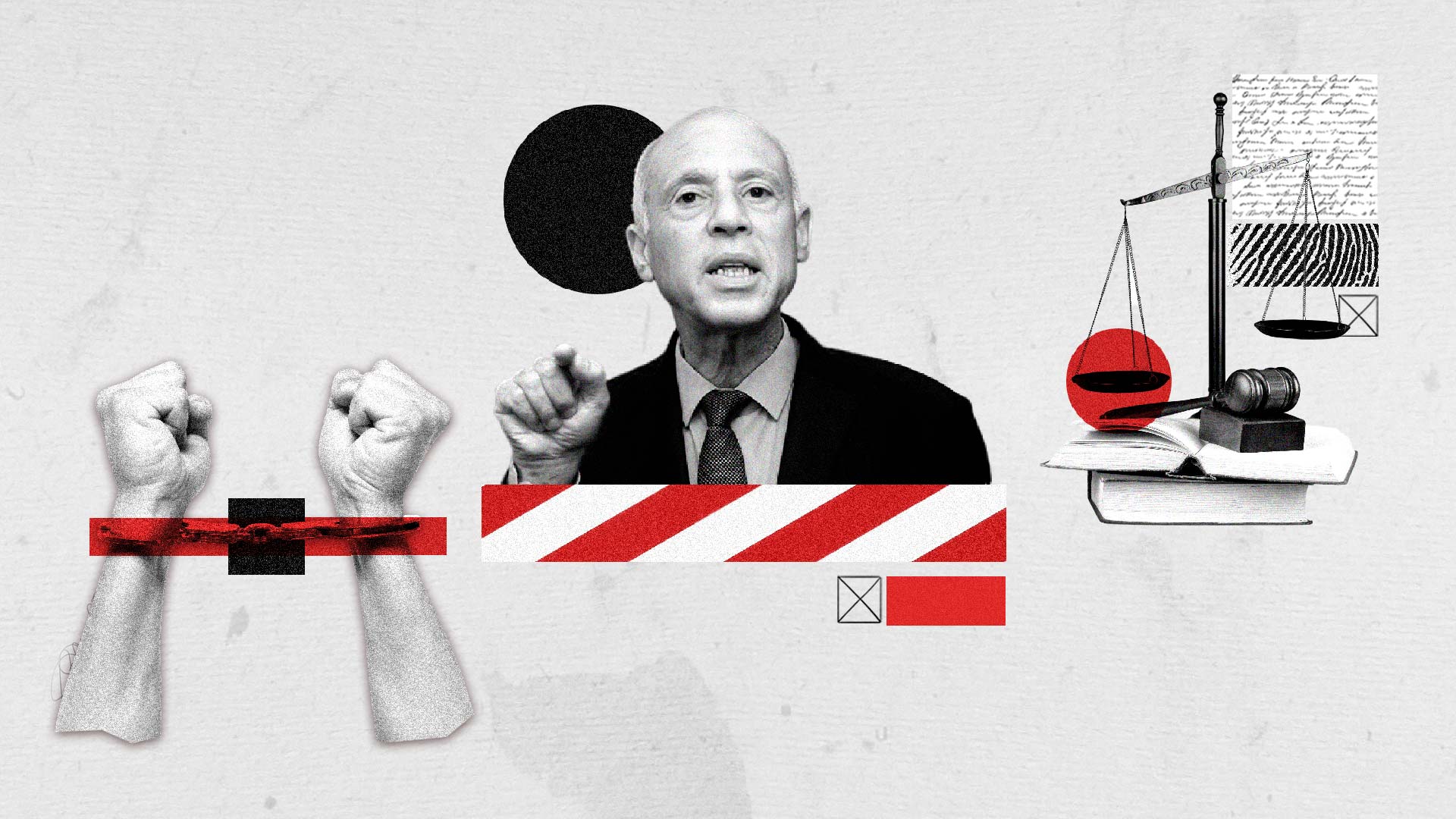
Human Rights Watch has called on Tunisian authorities to drop what it described as “unfounded charges” against five employees of the Tunisian Council for Refugees, who went on trial on Nov 24, amid an escalating crackdown on civil society groups.
The rights watchdog also urged the immediate release of two staff members who have been held in pretrial detention for more than a year.
Migrants and refugees in Tunisia are facing mounting hardship as President Kais Saied has repeatedly stoked anti-migrant sentiment, warning of a so-called “great replacement” of Tunisia’s population.
His rhetoric has fueled hostility and triggered violent clashes, leaving many migrants and asylum seekers vulnerable to attacks, arbitrary arrests, and expulsion. Combined with the suspension of UNHCR asylum processing and the shutdown of local aid organizations, thousands are now stranded without legal protection or basic support.
The employees on trial, including the council’s founder Mustapha Djemali and project manager Abderrazek Krimi, face up to 23 years in prison if convicted under Tunisia’s 1975 immigration law.
Prosecutors accuse them of facilitating the irregular entry and stay of foreign nationals, allegations linked to the council’s work assisting asylum seekers and refugees as a partner of the UN High Commissioner for Refugees (UNHCR). A sixth employee remains under review by the Cassation Court.
Authorities shut down the council in May 2024, froze its bank accounts, and arrested Djemali and Krimi after the organization published a tender for hotel accommodation for refugees. Human Rights Watch said the charges are based solely on legitimate humanitarian activities such as providing shelter and cash assistance, which are standard UNHCR practices worldwide.
“The Tunisian Council for Refugees carried out essential protection work in support of refugees and asylum seekers, operating legally with international organizations accredited in Tunisia,” said Bassam Khawaja, HRW’s deputy Middle East and North Africa director.
“Targeting an organization with abusive legal action criminalizes crucial assistance work and leaves asylum seekers without the support they desperately need,” she said.
The trial is the first against a civil society group since a wave of arrests of NGO workers between May and December 2024. It comes as Tunisia has tightened restrictions on associations, suspended dozens of organizations, and instructed UNHCR to halt asylum processing, leaving thousands of refugees in legal limbo.
Human Rights Watch warned that the prosecutions violate Tunisia’s obligations under international and African human rights treaties guaranteeing freedom of association and the right to seek asylum.
The group urged authorities to work with civil society “instead of imprisoning human rights defenders under spurious pretexts.”