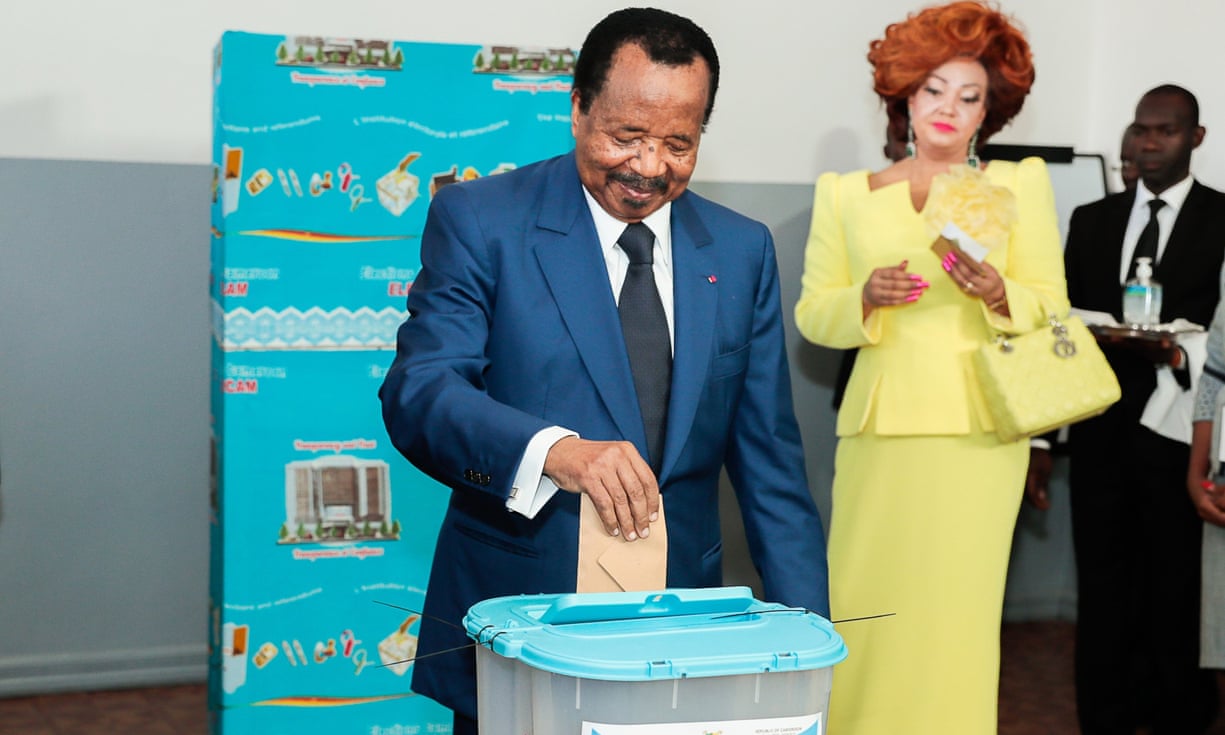
As Cameroon approaches its presidential election due to be held on 12 October, fears are mounting over growing political repression, widespread insecurity, and a fractured opposition — all of which threaten the credibility of the vote.
The 92-year-old President Paul Biya, Africa’s longest-ruling leader, is seeking an unprecedented eighth term in office. Despite mounting calls from across civil society and even within his own ruling party to step down, Biya has declared his intention to remain in power until at least age 99. The opposition, while united in its desire for change, remains fragmented. Failed negotiations to present a single opposition candidate have weakened hopes of effectively challenging Biya. Key contender Maurice Kamto has been barred from running due to internal party disputes, further splintering opposition momentum.
Meanwhile, the United Nations has raised alarm over a shrinking civic space. UN Human Rights Chief Volker Türk criticized the Cameroonian government for restricting political activity, silencing dissent, and intimidating opposition supporters. “A safe and enabling human rights environment is essential for peaceful, inclusive, and credible elections,” Türk said. “It regrettably appears that this is not the case in Cameroon.”
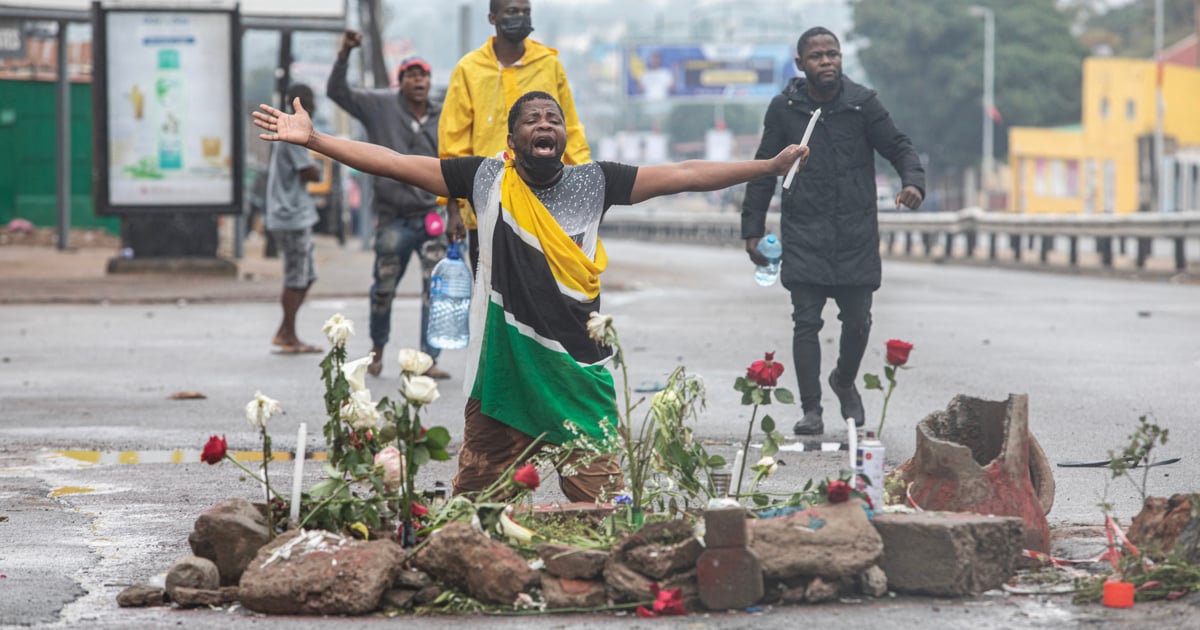
In one incident, 53 opposition members were arrested outside the Constitutional Council but later released. Security threats in Anglophone and northern regions, including separatist violence and jihadist attacks, further complicate election logistics. The International Crisis Group (ICG) has called for an “electoral ceasefire” to protect civilians. With deep political divisions and civic restrictions in place, Cameroon’s election risks being more symbolic than democratic — marking a pivotal moment for its future.