Russia has offered to build a nuclear power plant in Niger, signaling a bold move to displace France’s decades-long dominance in the uranium-rich West African nation.
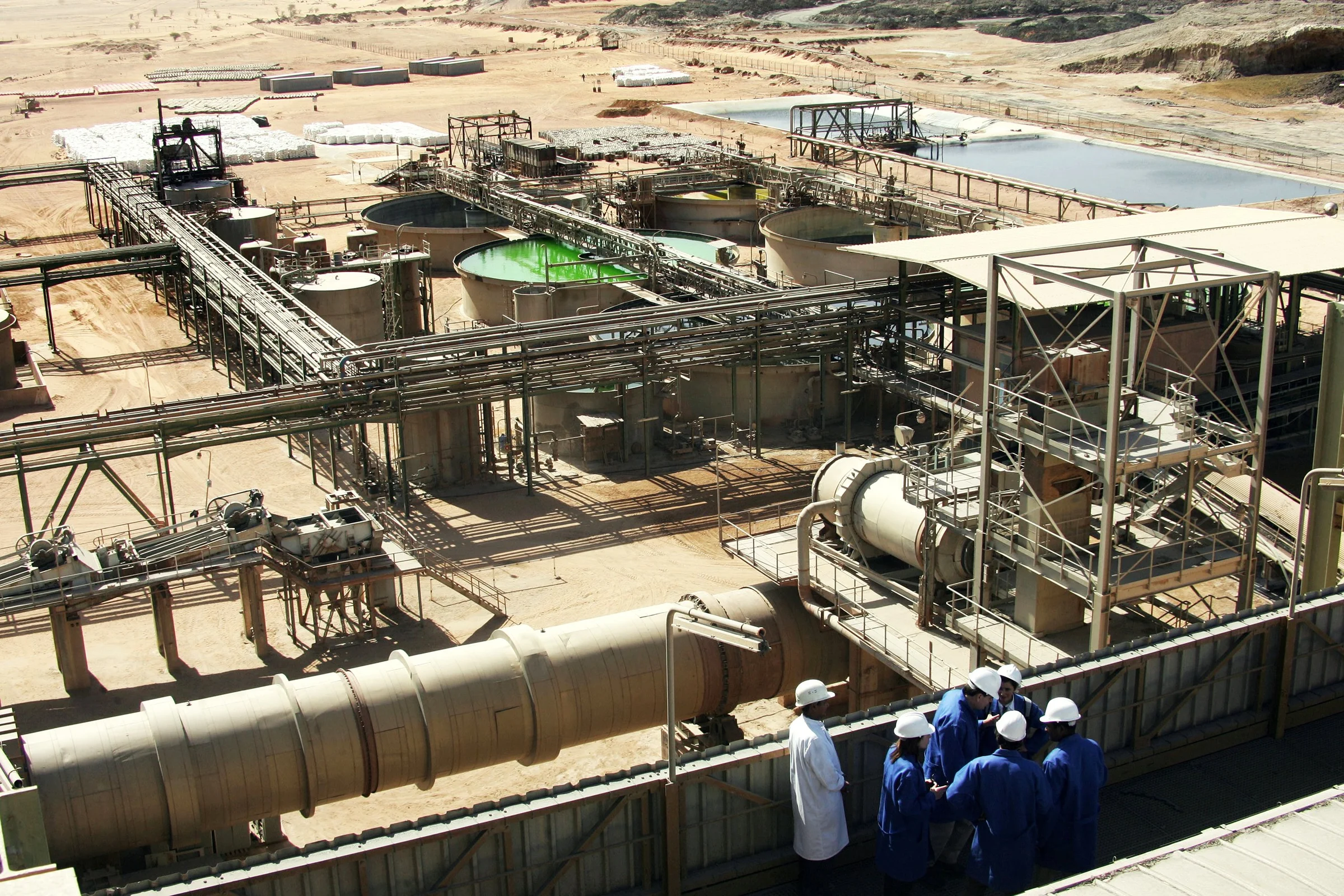
The proposal, announced in July, comes amid escalating tensions between Niger’s military government and Paris, and as Niamey seeks greater control over its natural resources. Despite producing 4% of global uranium, Niger suffers from chronic energy shortages, relying heavily on coal and reduced imports from Nigeria. For decades, French nuclear giant Orano, until 2018 known as Areva, extracted Nigerien uranium for refining abroad — fueling France’s energy needs but offering little benefit to Niger itself. Now, as Niger nationalizes its mining sector and rewrites contracts, Russia is positioning itself not only as an investor in extraction, but as a partner in nuclear energy development. The deal with Russian state firm Rosatom includes plans for power plants, research reactors, and local workforce training.
“Our task is not just to participate in the extraction of uranium, we must create an entire system for the development of a peaceful atom in Niger,” said Russian Energy Minister Sergei Tsivilev. While technical and security challenges loom large — particularly in a region rife with jihadist violence — the offer taps into a broader sovereignty push in Niger and across the Sahel. “And the junta in power today now seems determined to bring the era of French uranium mining in Niger to an end,” noted Chatham House’s West Africa analyst, Paul Melly. “One thing is clear, in Niger it is the Russians who have correctly read the political mood,” Melly says, adding that Moscow has scored points by presenting itself as the power willing to invest in Niger’s future, not just strip its resources. Whether the plant materializes or not, France’s monopoly is already unraveling.