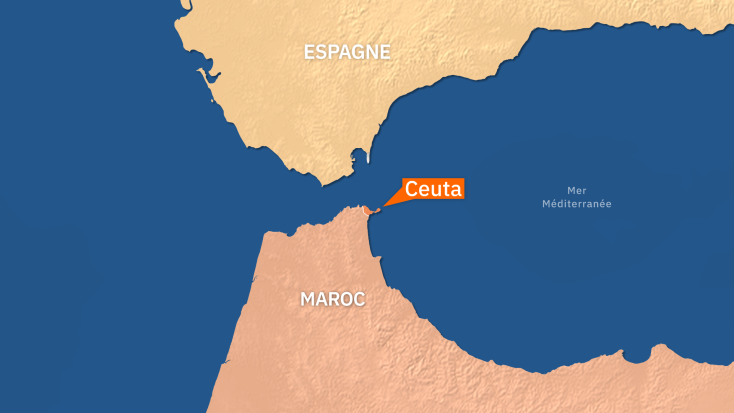
The visit of Spanish King Felipe VI and Queen Letizia to the occupied Moroccan city of Ceuta represents a heavy-handed attempt to normalize and legitimize Spain’s colonial presence on Moroccan soil, casting a shadow over the otherwise stable relations between Rabat and Madrid in recent years.
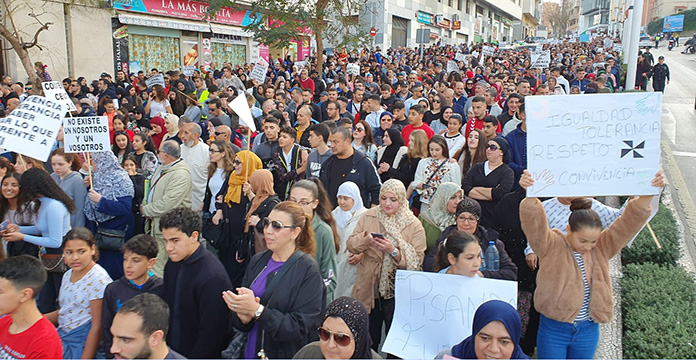
Coming amid a charged electoral and political climate in Spain, the royal visit follows the mass crossing of irregular migrants into the occupied enclave in late July.
Far-right parties quickly seized on the incident to attack Morocco and belittle its sacrifices and role in migration cooperation.
Morocco’s response was clear and firm. In his speech opening the new legislative year, King Mohammed VI rejected any form of blackmail, declaring that the current model of migration cooperation with Spain has reached its limit.
He condemned “irresponsible statements and the blatant exploitation by some political and media circles,” stressing that partnership is a sovereign choice, never subject to pressure or threats.
As the Spanish King gives up to the calls of the Spanish far-right and anti-Moroccan circles, he took for granted Morocco’s sincere efforts in managing migration.
King Felipe merely seeks to present a colonial reality as normal. Occupying powers throughout history have always invented justifications rather than admit they control foreign territory.
Spain’s claims that Ceuta and Melilla were never under any state’s sovereignty echo the same colonial logic once used by France in Algeria.
Spain would have been wiser to avoid reopening the Ceuta file at a moment when the real issue was migration management, not colonial symbolism.