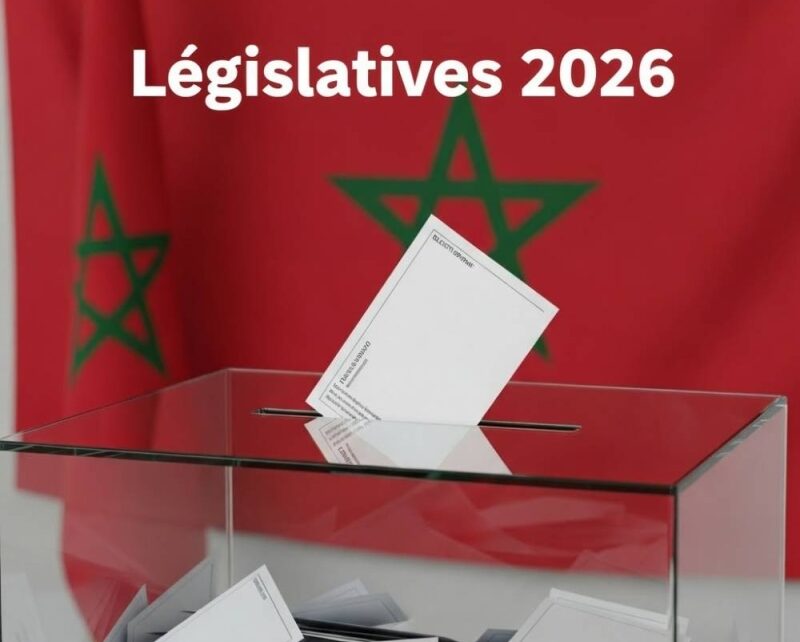
Morocco’s parliamentary elections on September 23 have once again demonstrated the kingdom’s distinctive path of managed pluralism and institutional continuity, setting it apart as a rare oasis of stability in a turbulent North African and broader Arab region.
Provisional results show the Authenticity and Modernity Party (PAM) leading with 97 seats in the 395-member House of Representatives, followed by the National Rally of Independents (RNI) with 66, the Istiqlal Party with 65, and the Justice and Development Party (PJD) staging a notable rebound to 54 seats, up sharply from just 13 in 2021.
This marks the fourth regular legislative vote since the 2011 constitutional reforms enacted in response to the Arab Spring, following polls in 2011, 2016, and 2021.
Turnout stood at approximately 38%, lower than previous cycles, yet the process unfolded without major disruption, underscoring the resilience of Morocco’s political framework under King Mohammed VI.
What distinguishes Morocco is the orderly alternation of parties in power without jeopardizing national stability.
The moderate Islamist PJD governed for a decade after the 2011 and 2016 elections before suffering a heavy defeat in 2021.
Its recovery to 54 seats in 2026-driven in part by the return of former Prime Minister Abdelilah Benkirane- illustrates that Islamists can win, lose, and regain representation through the ballot box while the broader system remains intact.
No party secured an absolute majority, so coalition negotiations will follow.
Under the Moroccan constitution, the King appoints a prime minister from the leading party.
Morocco, unlike its north African neighbors, opted for a path of inclusion. Islamist and other parties compete, win, and lose within institutional bounds, preserving continuity and avoiding the cycles of rupture that have destabilized neighbors.
The results reflect both continuity and adaptation. PAM’s rise positions it to lead the next government, potentially with figures such as Fouzi Lekjaa or Fatima Ezzahra El Mansouri in contention.
In Morocco, parties rise and fall. Governments change hands but the institutional framework endures, in a region long marked by upheaval.