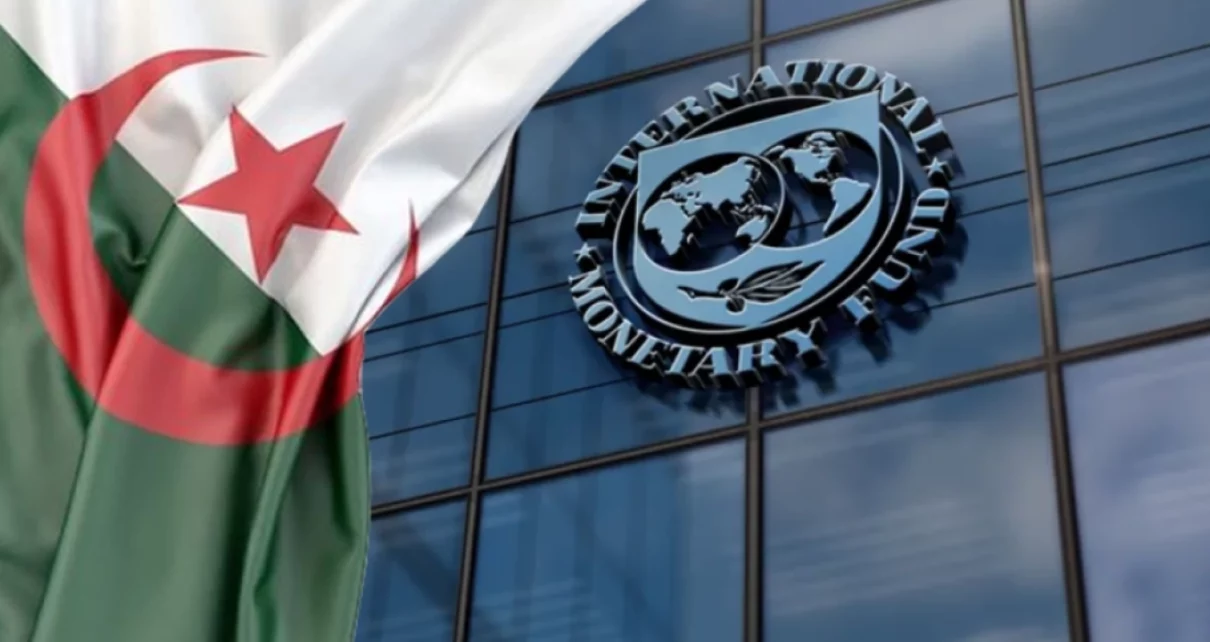
The International Monetary Fund (IMF) forecasts a decline in Algeria ‘s foreign exchange reserves from $51 billion in 2025 to $46.5 billion this year, before plummeting to 19.8 billion in 2031, a 61.2% contraction that would reduce the country’s import coverage from 8.6 months to 3.3 months.
In a statement issued after concluding Article IV consultation, the Fund experts explained the melting down of Algerian foreign currency reserves by large fiscal deficits that have depleted fiscal buffers and eroded external buffers.
Although the fiscal deficit narrowed in 2025, supported by large one-off dividend payments from State-owned Enterprises and the Bank of Algeria, it remained very large, said the Fund.
And with fiscal buffers depleted, continued large financing needs increased public debt and reliance on central-bank financing. The current account deficit widened sharply as imports surged, and hydrocarbon exports declined, leading to large reserve losses.
Inflation in Algeria is projected to increase temporarily. The fiscal deficit is projected to remain high, with continued monetary financing. Over the medium term, growth is expected to moderate, while continued large fiscal deficits would raise public debt and persistent current-account deficits would further reduce reserves.
According to the IMF assessment, key downside risks in Algeria include a sharp decline in hydrocarbon prices, continued large fiscal deficits that could jeopardize debt sustainability and intensify the sovereign-bank linkages, while continued reliance on monetary financing could undermine price stability and policy credibility.
The IMF called for sustained structural reforms to rebuild buffers, strengthen resilience, support diversification, and promote private sector led growth.
The Fund also called for credible and gradual fiscal consolidation, noting that large fiscal deficits pose significant fiscal sustainability risks. The IMF experts stressed the need for stronger nonhydrocarbon revenue mobilization, more efficient public investment, and expenditure rationalization, including through gradual energy subsidy reform accompanied by targeted support for vulnerable households.
They urged Algerian authorities to tighten monetary policy if broader inflationary pressures intensify. They recommended enhancing the monetary policy framework by establishing low inflation as a clear nominal anchor, improving monetary policy transmission, reinforcing the Bank of Algeria’s operational independence, and limiting monetary financing to exceptional circumstances.
The IMF called on Algerian authority to engage deeper reforms to support stronger, more resilient private sector-led growth, citing in this regard the necessity of improving the business climate, reducing regulatory barriers and strengthening governance and transparency.