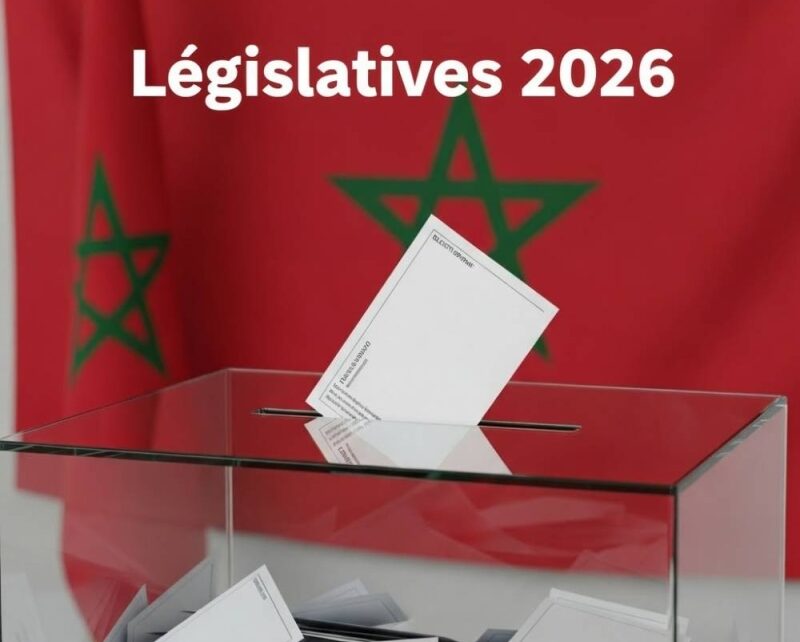
As Moroccan voters prepare to head to the polls on September 23 for legislative elections, the country’s political parties confront the critical challenge of engaging the youth in political life while restoring public trust in the political process.
Young Moroccans, who form a significant share of the population, remain largely absent from the electoral rolls.
Official figures show that 18- to 24-year-olds account for only about 3 to 4 percent of registered voters despite representing roughly 12 percent of the population.
This disconnect has been underscored by last year’s Gen-Z-led protests over public services, education, and health care, as well as the large-scale border rush into the Spanish enclave of Ceuta in July, events widely interpreted as expressions of frustration.
Parties vying for elections have placed youth employment at the center of their campaigns emphasizing jobs, education, health reforms as well as better housing, training, and social priorities.
Yet many young people remain skeptical, viewing campaign promises as familiar rhetoric that has not sufficiently addressed persistent youth unemployment.
King Mohammed VI has repeatedly directed political parties to rise to this challenge by deepening their engagement with citizens and prioritizing service over partisan competition.
In royal guidance and through measures advanced under the monarchy’s leadership, parties have been called upon to develop innovative and realistic programs that respond directly to the real concerns of the population, select competent candidates capable of assuming responsibility, and give greater opportunities to young people and women so that political life can be renewed with fresh energy and credibility.
The King has stressed that elections should not be reduced to a contest for seats or positions but should serve as a qualitative national effort to choose the best programs and qualified elites.