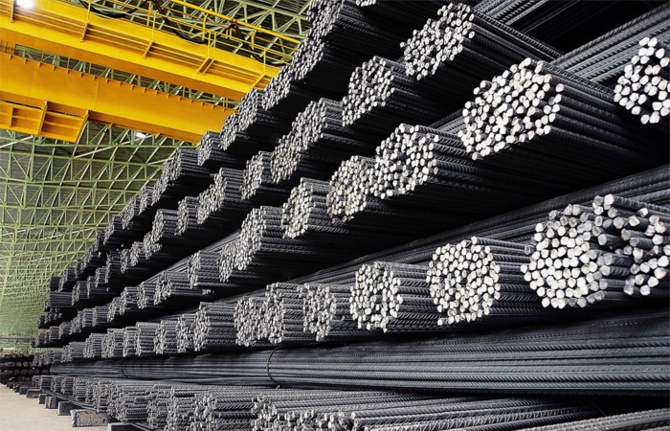
Steel demand in Morocco is expected to rise 7 to 8 percent in 2026, reaching between 2.75 and 2.82 million tonnes, before crossing 3 million tonnes for the first time in 2027, driven by construction, autos, wind power and preparations for the 2030 World Cup, according to 7News Morocco.
Domestic steelmakers, led by Sonasid, Maghreb Steel, Univers Acier and Riva Industries, hold a strong local market position thanks to investment incentives, customs protections and other measures favoring local producers, even though Morocco still imports large volumes of steel, with Spain, Turkey, Britain and China its top suppliers in 2024.
The automotive sector has become a major driver of demand, with Morocco nearing South Africa in total vehicle production in 2025 and outproducing it in passenger cars, as Renault and Stellantis expand their plants and more than 250 suppliers localize parts production. Car exports rose 15.9 percent to $8.2 billion in the first five months of 2026, and Stellantis’s Kenitra plant is set to reach 535,000 units of annual capacity once new lines open in early 2027.
Construction remains the single largest source of steel demand, accounting for 60 to 65 percent of finished steel use, buoyed by a direct housing-support program that has driven construction permits to twice their 2021 level. Large infrastructure projects add further demand, including the $5.6 billion Nador West Med port and rail lines tied to World Cup work, including high-speed links between Kenitra, Rabat, Casablanca and Marrakech.
Wind energy and water infrastructure are also feeding steel demand, with 1.1 gigawatts of new wind capacity expected in 2026 and pipeline work underway, including sections of the Water Highway linking northern and central Morocco. While a European slowdown could weigh on car output, tariff-free EU market access under Morocco’s free-trade agreement should keep exports broadly stable.