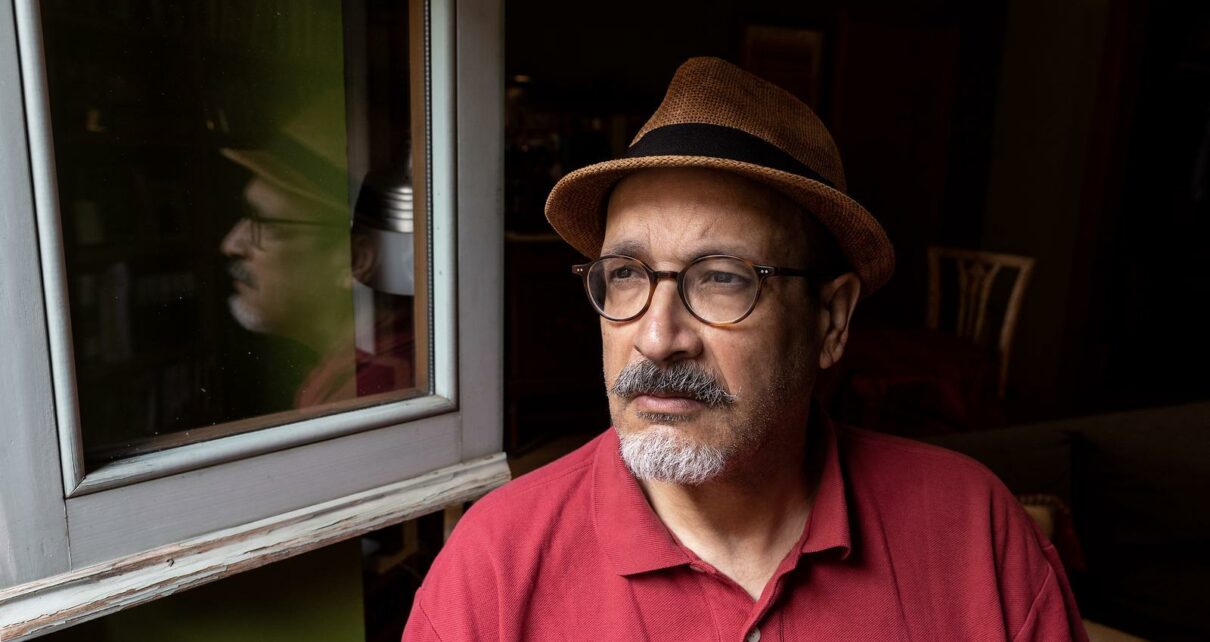
When the Casablanca prosecutor explained Ali Lmrabet’s arrest at Tangier airport, the message was that he was subject to search notices tied to complaints of defamation, insults, and false information. Not because he used to be a journalist.
The prosecutor added that being a journalist or content creator does not put you above the law when there are complaints serious enough to investigate.
That is really the whole argument in one sentence. Claiming to be a journalist, or in Lmrabet’s case a YouTube channel and a big following, is not a shield. Journalism is something you do, not a status that makes you untouchable.
If someone publishes claims that people or institutions say are false and damaging, calling it “journalism” does not erase the question of whether those claims were true or who they hurt.
If “I’m a journalist” became an automatic defense, you would end up with two systems, one law for ordinary people, and basically no law for anyone with a camera and a following.
A Moroccan commentary published this week on Hespress makes a similar case, and it’s worth walking through because it adds detail beyond “no one is above the law.” Being questioned is not the same as being guilty, the piece argues.
Thousands of people get called in when there is a complaint or a judicial order against them, and treating Lmrabet’s case as some unique, exceptional event before the investigation is even finished is not really justified. The basic rule in a state governed by law is that everyone goes through the same process, regardless of fame or job title, while still keeping all their legal protections.
The process, in this view, lets the people who filed complaints present their evidence that they were harmed, and it lets Lmrabet defend himself, submit documents, and back up what he wrote. Courts work on evidence, not impressions, and only a court can weigh that evidence and decide what it means.
Journalism has rules too. even the freest journalism is supposed to involve fact-checking, giving people the right to respond, and separating confirmed facts from mere claims. A story doesn’t become legitimate just because it got published.
Journalism’s credibility comes from accuracy. Defamation is not “an opinion,” libel isn’t “a political stance,” and knowingly spreading false information, if proven, is not protected just by calling it press freedom.
The people who filed complaints against Lmrabet are often left out of the story entirely. They say they were defamed or insulted, and like any citizen they are entitled to take that to court. Saying they can’t, just because the person they’re complaining about is a well-known journalist, would mean some people are effectively immune from the law, which is not how equality before the law is supposed to work.
Social media users can discuss and debate, but verdicts are not decided by how many people post in support or against someone. Media campaigns, from either direction, shouldn’t be allowed to pressure the justice system, because an independent judiciary is one of the pillars of the rule of law.
Lmrabet knew these complaints existed before he decided to fly back to Morocco. Now he has a real chance to answer investigators’ questions and present his defense, and the complainants have a chance to prove their claims.
Applied to the bigger picture, the same argument points to Taoufik Bouachrine and Omar Radi, two well-known Moroccan journalists who were prosecuted on charges that included sexual assault and received prison sentences. To people who make this argument, those cases show that “journalist” describes a job, not a personal immunity, and that when a journalist’s own conduct is in question, insisting the case is “really” about their reporting can become a way to dodge the actual allegations.