The European Investment Bank announced on Tuesday €365 million investments destined to boost Morocco’s transport sector, connectivity and economic opportunities.
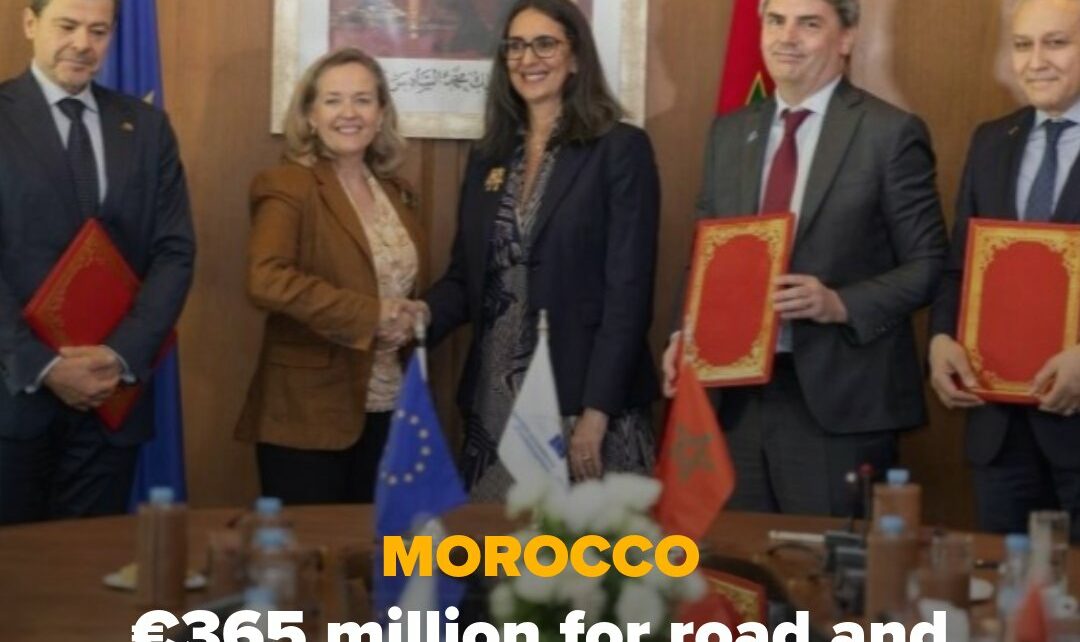
The new European Bank’s investments have been announced by EIB President Nadia Calviño during the working visit she is paying to the Kingdom. The EIB funding aims to strengthen the resilience and security of Morocco’s motorway network and national railway system.
Under agreements signed with the European bank, the Moroccan national highways agency has secured a €300 million loan to support a resilience project, while the Kingdom’s National Railway Office (ONCF) will get €65 million funding including €15 million EU grant focusing on climate-resilience measures.
The EIB loans will help Morocco improve mobility, enhance infrastructure resilience and deliver tangible benefits for citizens and businesses. They will also contribute to strengthening regional integration and deepening economic links between Europe and Africa.
Commenting the European bank’s funding, Moroccan Economy Minister Nadia Fettah has praised the strong partnership between Morocco, the EU and EIB.
The new financial agreements support sustainable mobility projects in the country and reflect a shared vision seeking inclusive development, social equity and stronger ties between Europe and Africa, added the minister.
For her part, Mrs. Calviño described Morocco as a long-standing and strategic partner for the European Investment Bank, lauding the momentum in Morocco-EU partnership.
Deputy Head of EU Delegation to Morocco Daniele Dotto said the EU and Morocco share a “strong and reliable partnership” and noted that the EU and the EIB work together to provide the Kingdom investments and technical support to develop resilient infrastructure and advance the country’s economic development.
A partner of Morocco since 1979, the EIB has mobilised over €12 billion for transformative projects contributing to the Kingdom’s sustainable development. Its financing focuses on infrastructure projects including water, sanitation, energy, transport, education and health, as well as support for the private sector.