Morocco’s consumer price index fell 0.9 percent in May 2026 compared with April, driven by a 2.1 percent decline in food prices and a stable non-food index, according to the latest note published by the High Commission for Planning (HCP). The core inflation indicator, which excludes volatile and regulated products, stood 0.1 percent below its May 2025 level — a reading that signals limited generalized inflationary pressure despite the turbulent international environment.
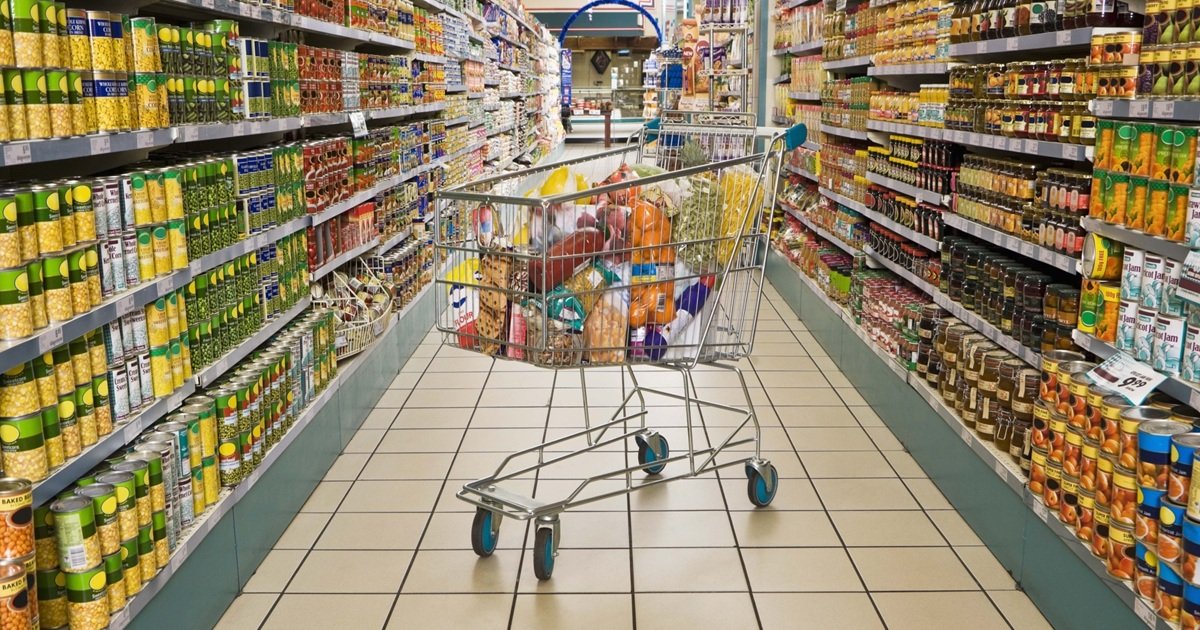
The May food price decline was broad-based. Vegetables fell 8.6 percent month-on-month, fish and seafood 3.7 percent, meat 1.9 percent, dairy products 1.7 percent, oils and fats 0.8 percent, and coffee, tea and cocoa 0.4 percent. Among non-food categories, fuel prices declined 3.6 percent in May. The largest overall CPI decreases were recorded in Safi at 2.1 percent, Beni-Mellal at 1.3 percent and Casablanca, Tanger and Al-Hoceima each at 1.2 percent.
The resilience of Morocco’s price environment is partly attributable to a series of protective measures deployed by the government in response to the rise in international energy and commodity costs linked to tensions in the Middle East. The government is allocating 600 million dirhams per month to freeze the retail price of 12-kilogram gas cylinders, providing a subsidy of 78 dirhams per unit compared with 30 dirhams before the crisis. A further 400 million dirhams per month is devoted to maintaining unchanged electricity tariffs despite rising input costs in power generation.
Transport professionals have been shielded through a 3-dirham-per-litre subsidy costing the budget 648 million dirhams per month, with over 87,000 applications processed through the dedicated digital platform. The measure is designed to maintain regular market supply and prevent any price increase from passing through to passengers or goods.
A dedicated ministerial commission continues to monitor the impact of geopolitical tensions on the national economy, while price inspection services have been directed to intensify compliance checks. The May data confirms that this multi-layered shield is, for now, containing the transmission of external shocks to the domestic price level.