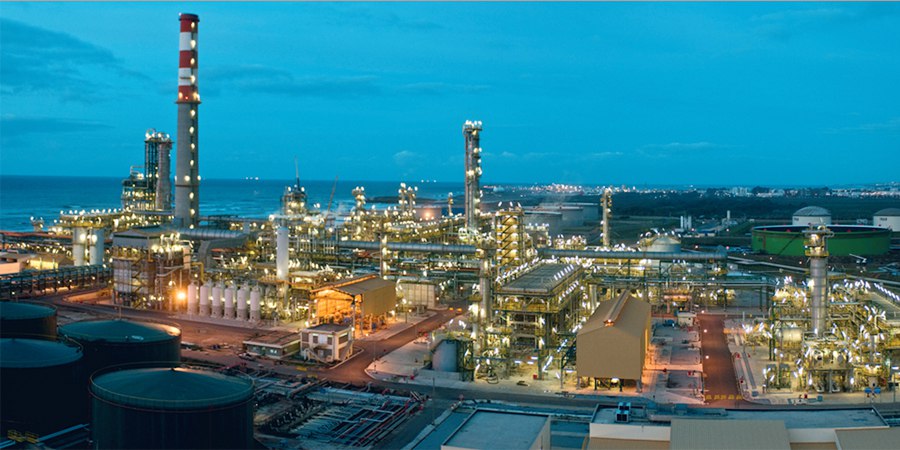
Debate over the future of Morocco’s sole oil refinery, Samir, has resurfaced following a vote in the upper house of parliament rejecting a proposal to transfer the company’s assets to the state, reviving broader discussions over government intervention, energy sovereignty and the cost of fuel in the kingdom.
The proposal, which was opposed by the parliamentary majority, had called for the transfer of Samir’s assets to the state, amid ongoing legal proceedings and years of halted operations at the refinery.
The rejection has reopened questions over whether Morocco should pursue direct state ownership or alternative solutions to revive the facility.
At the center of the debate is a distinction between outright nationalization and a legal-financial transfer of ownership, with some stakeholders arguing that the latter offers a more practical and less costly pathway.
Abdelghani Raqi, an advocate for the revival of the refiner, told Hespress the issue is often mischaracterized as nationalization, when in fact it concerns a structured transfer of assets based on the company’s debt composition.
He noted that roughly 82% of Samir’s debt is owed to public institutions, effectively making the state its main creditor. This, he argued, opens the possibility of converting part of those debts into ownership through offsetting mechanisms, allowing the state to acquire the refinery without bearing the full financial burden.
Under this scenario, the state would only need to settle the remaining estimated 20% of liabilities, significantly reducing acquisition costs while consolidating control over a strategic energy asset.
The renewed debate has also highlighted concerns about energy sovereignty and fuel costs in Morocco, which currently relies entirely on imported refined petroleum products.
Supporters of state intervention argue that restarting Samir could help reduce dependence on external markets and mitigate price volatility. Raqi pointed to refining costs that can reach around two dirhams per liter, suggesting that local refining capacity could play a stabilizing role in domestic fuel pricing.
However, refinery experts say that the longer Samir remains idle, the more costly and technically complex it becomes to restart.