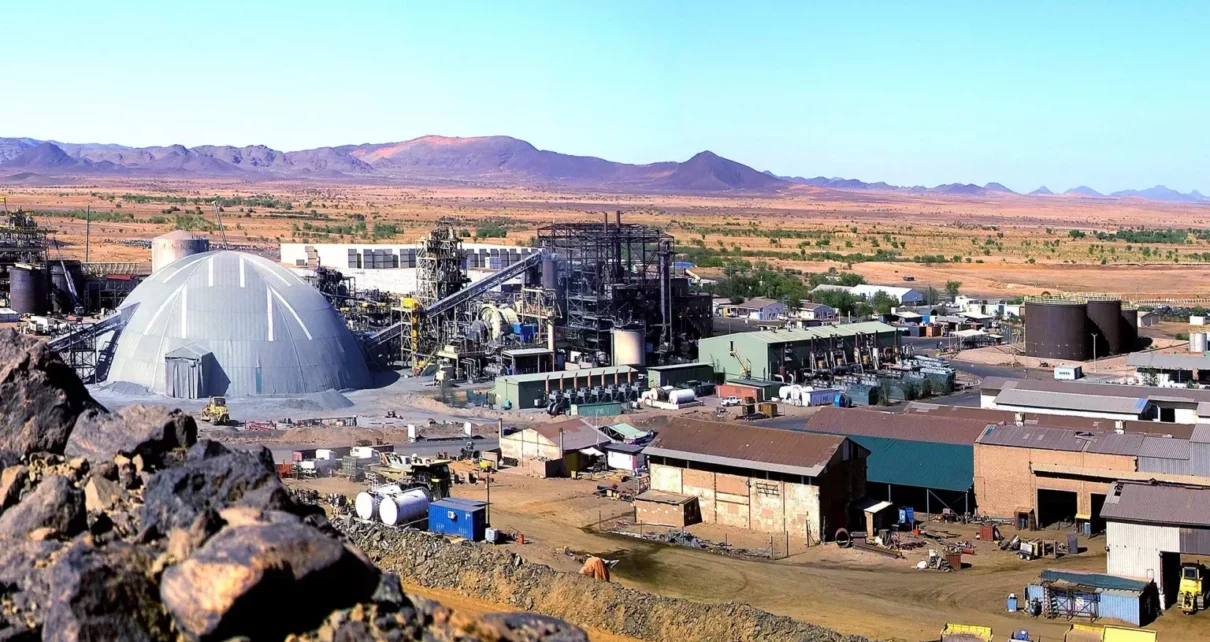
The Guelb Moghrein Mine continues to demonstrate resilience amid global energy instability, maintaining its strategic importance to Mauritania’s mining output despite entering a transitional phase.
According to first-quarter 2026 results from First Quantum Minerals, the site produced 2,910 tons of copper and 7,722 ounces of gold. While output remains modest, operations are being recalibrated ahead of a planned shift towards predominantly gold production, now deferred to 2027.
In the interim, the mine is processing both sulphide ore and oxidized stockpiles to sustain combined copper and gold output, a strategy aimed at optimizing resources while aligning with evolving market dynamics. For 2026, copper production is projected at around 7,000 tons, with gold output revised to between 30,000 and 40,000 ounces.
The project, however, faces external pressures, notably rising fuel costs linked to geopolitical tensions in the Middle East, which are increasing operational expenses and may weigh on short-term profitability.
Despite these challenges, continued operations underscore a strategic commitment to stability and long-term viability. The transition phase positions Guelb Moghrein as a critical asset within Mauritania’s mining economy, as the country seeks to sustain sector attractiveness while adapting to shifting global conditions.