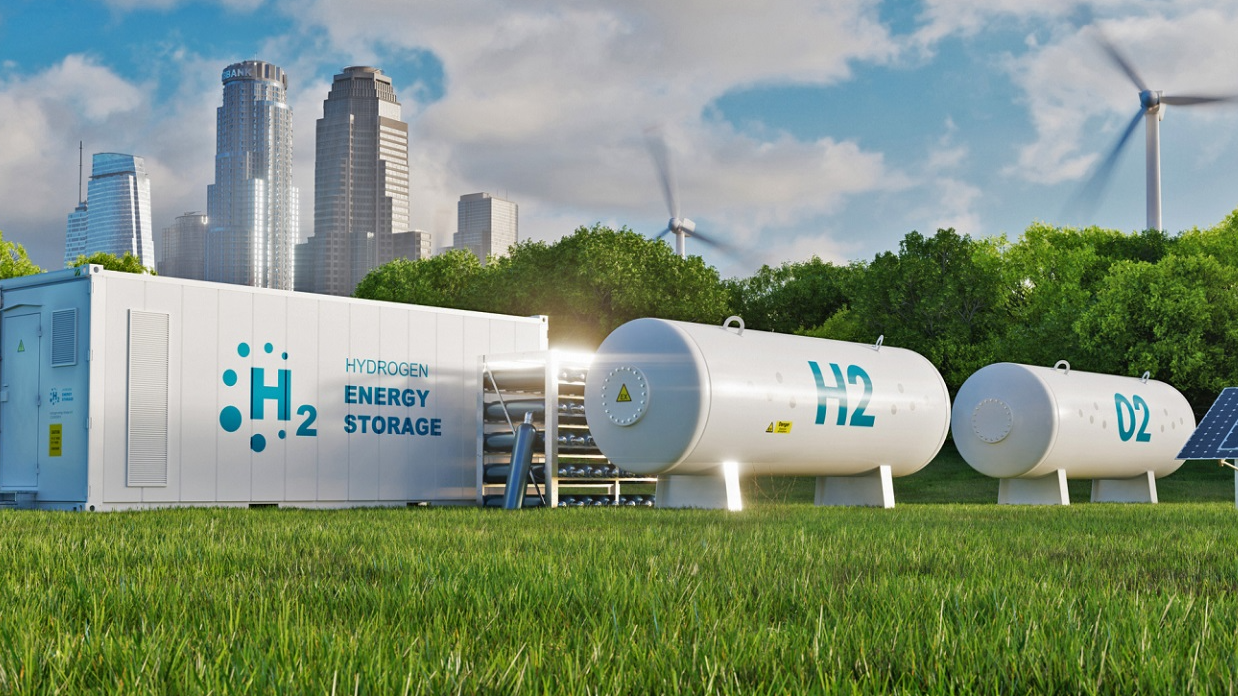
Morocco’s green hydrogen strategy has moved decisively from planning into execution in 2026, with a portfolio of projects representing a cumulative investment of approximately 319 billion dirhams now in active development, largely in the country’s southern provinces. The scale of the commitment, backed by a combination of Royal instruction, government coordination through MASEN, and a diversified pool of international investors, positions Morocco as one of the most credible candidates for African and global leadership in the emerging hydrogen economy.
The strategic foundation was laid in November 2022 when King Mohammed VI directed the elaboration of a comprehensive ‘Morocco Offer’ for green hydrogen, covering the full value chain from production and storage to infrastructure and export. That offer was validated by the Sovereign in July 2023 and has since been translated into a series of operational milestones.
In September 2025, Prime Minister Aziz Akhannouch presided over the selection of six projects awarded to five international consortia. In February 2026, preliminary land reservation contracts were signed with a further five newly retained investors, all deploying in the three southern regions.
The industrial logic rests on Morocco’s exceptional solar and wind endowment, which, combined with access to seawater for electrolysis, generates among the lowest production costs for green hydrogen globally. MASEN estimates that Morocco could satisfy more than four percent of world demand for green hydrogen. The target exports are primarily European, where the EU’s REPowerEU agenda has committed to importing ten million tons of green hydrogen annually by 2030, and where Morocco’s geographical proximity, political stability, and existing energy partnerships provide structural advantages.
The product mix envisaged goes beyond hydrogen gas itself. Projects are being structured to produce ammonia, synthetic fuels, and green steel — derivatives with large addressable markets in European chemical, fertilizer, shipping, and heavy industry sectors. Several of the selected consortia include North American, European, Chinese, and Gulf investors, reflecting Morocco’s deliberate strategy of building a geographically diversified investor base rather than dependence on any single partner.
The first industrial-scale pilot, the Power to Hydrogen (PtX) project led by MASEN with 300 million euros in financing from Germany’s KfW development bank, is targeting commissioning in 2026. Located in the Guelmim-Oued Noun region, it will produce 10,000 tons of green hydrogen annually via a 100 MW electrolyzer powered by a 200 MW hybrid solar-wind plant.
Morocco’s green hydrogen program is now recognized by analysts as the most structurally advanced on the African continent, ahead of competing efforts in Egypt and South Africa.