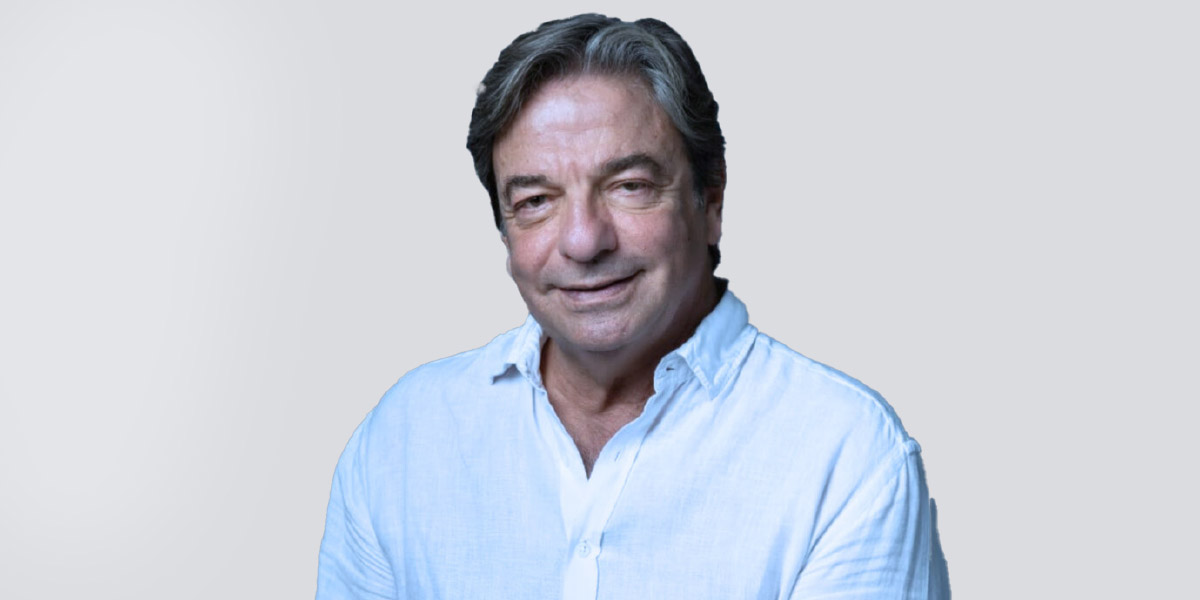
The partial closure of the Strait of Hormuz in 2026, triggered by escalating US-Israel-Iran tensions, has exposed the fragility of global energy supply chains — and in doing so, has accelerated Morocco’s emergence as what geopolitical analyst Khaled Hamadé calls a strategic “resilience ark.”
The president of the International Institute of Geopolitical Studies who presented this framework in a recent analysis explained in an exclusive interview with leseco.ma news outlet how the Kingdom’s unique combination of geography, institutions, and diplomacy positions it as a critical node in the reconfiguration of global trade flows.
Hamadé is careful to distinguish between physical infrastructure and the harder-to-replicate intangible assets that underpin Morocco’s strategic value. Beyond the well-documented capacity of Tanger Med and the future Dakhla Atlantique port, he identifies three deeper structural advantages. First, institutional stability: the long-term vision championed under King Mohammed VI provides the investment certainty that capital-intensive logistics projects require. Second, transnational human capital: Morocco’s diaspora — generating $12.9 billion in remittances in 2024 — represents a global network of influence connecting the Kingdom to key decision-making centers. Third, diplomatic flexibility: Morocco maintains active relationships with the United States, Europe, China, and Russia simultaneously, refusing alignment with any single bloc.
On the geopolitical trajectory, Hamadé outlines a scenario of “precarious stabilization” over either full escalation or clean resolution. A prolonged Hormuz blockage, he argues, would be economically suicidal for all parties, making a ceasefire inevitable — but structural distrust will persist, pushing shipping operators toward alternative corridors. The real cost, he explains, is not purely physical risk but what he terms the “loyalty cost” — the prohibitive insurance premiums and reputational exposure now attached to Hormuz-routed voyages.
Rather than competing with emerging Atlantic African hubs like Dakar or Mauritania’s N’Diago project, Hamadé advocates for complementary integration — with Morocco providing logistical firepower while regional neighbors consolidate their energy and maritime value chains within a shared platform architecture.