The World Health Organization (WHO) has declared Wednesday that Libya has eliminated trachoma as a public health problem, marking a major achievement for the eastern Mediterranean region. Libya is now the 28th country worldwide and the eighth in the region to reach this milestone.
Surveys conducted in 2022 across six southern districts showed that the prevalence of active trachoma and trichiasis was below WHO elimination thresholds, with the exception of trichiasis in Wadi Al Hayaa/Ghat, where a targeted surgical campaign addressed remaining cases. A follow-up survey in 2025 confirmed that trichiasis prevalence had also fallen below the required threshold.
The WHO noted that Libya’s success came despite years of political instability, humanitarian challenges, population displacement, and pressure on water and sanitation services. The national trachoma elimination program integrated disease surveillance, expanded surgical services, and strengthened health worker capacity in collaboration with local and international partners.
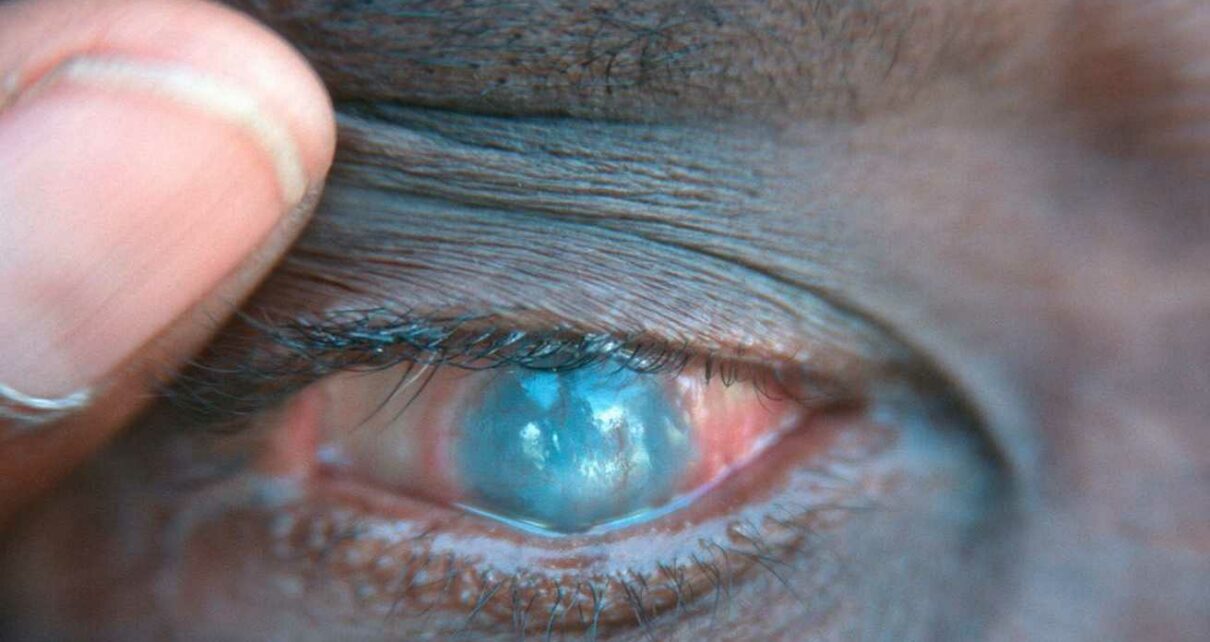
Trachoma, a contagious bacterial infection caused by Chlamydia trachomatis, spreads through contact with infected eye discharge via hands, clothing, or flies. Repeated infections can lead to scarring and inward-turning eyelashes (trichiasis), which may cause blindness if untreated.
Libya has documented trachoma for over a century, with control efforts beginning in the 1970s and 1980s, resulting in a substantial decline in transmission over time.