Morocco’s rapid expansion in renewable energy and low‑carbon fertilizer production is positioning the country at the center of efforts to tackle global food insecurity and climate change, the World Economic Forum (WEF) said.
Morocco’s strategy offers a “real‑time laboratory” for how developing economies can increase agricultural output while cutting emissions, two goals the world must meet simultaneously as its population heads toward 9.8 billion by 2050, the WEF said in a new analysis.
Morocco holds about 70% of the world’s known phosphate reserves and is among the top five fertilizer exporters. That resource base, combined with expanding clean‑energy infrastructure, makes the country “pivotal in shaping the future of sustainable food systems,” the WEF notes.
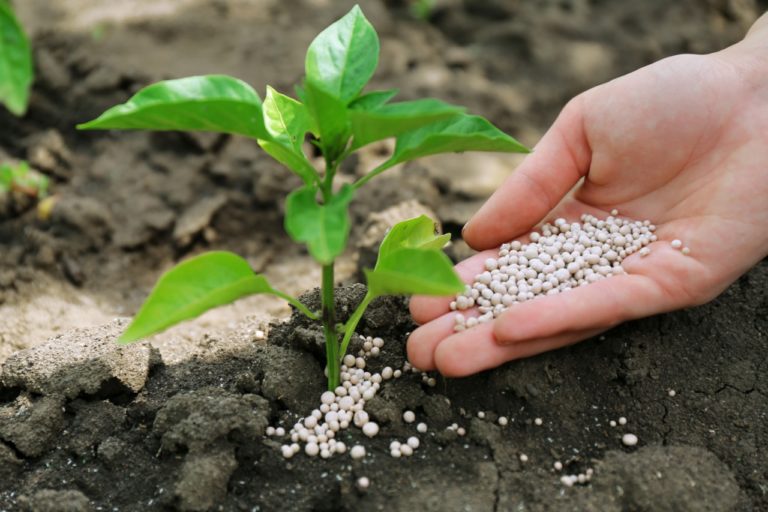
Phosphate, alongside nitrogen and potassium, is essential to crop yields, and demand for fertilizer continues to rise as global food needs grow.
The WEF says Morocco’s role as a major supplier gives it an outsized influence on both food security and the decarbonization of agricultural supply chains.
Morocco’s state‑owned OCP Group, a global leader in phosphate‑based fertilizers, plans to raise production capacity from 12 million tons in 2024 to 20 million tons by 2027.
The company aims to reach carbon neutrality by 2040 despite operating in a traditionally hard‑to‑abate sector.
According to the WEF, Morocco has anchored its industrial development in renewable energy, with solar and wind accounting for 22% of national electricity generation in 2023. The country targets 52% renewables in its power mix by 2030.
OCP Green Energy is deploying more than 1.2 GW of new renewable capacity to supply the company’s mining and industrial operations with 100% clean power by 2027. The initial 202 MWp phase feeds desalination and industrial sites.
In parallel, OCP Green Water aims to meet all industrial water needs through desalination and reuse, addressing one of the region’s most pressing constraints: water scarcity.
Morocco is also scaling up green hydrogen and ammonia projects, leveraging its abundant solar potential, strong coastal winds and access to seawater.
The WEF says these fuels will be crucial for producing low‑carbon fertilizers, further aligning Morocco’s energy and agriculture ambitions.
Morocco’s experience, the Forum says, shows how food security and decarbonization are “interconnected technologically, socially and economically.” By combining renewable energy expansion with low‑carbon fertilizer innovation and inclusive investment, the country is offering a blueprint that could guide other developing nations.