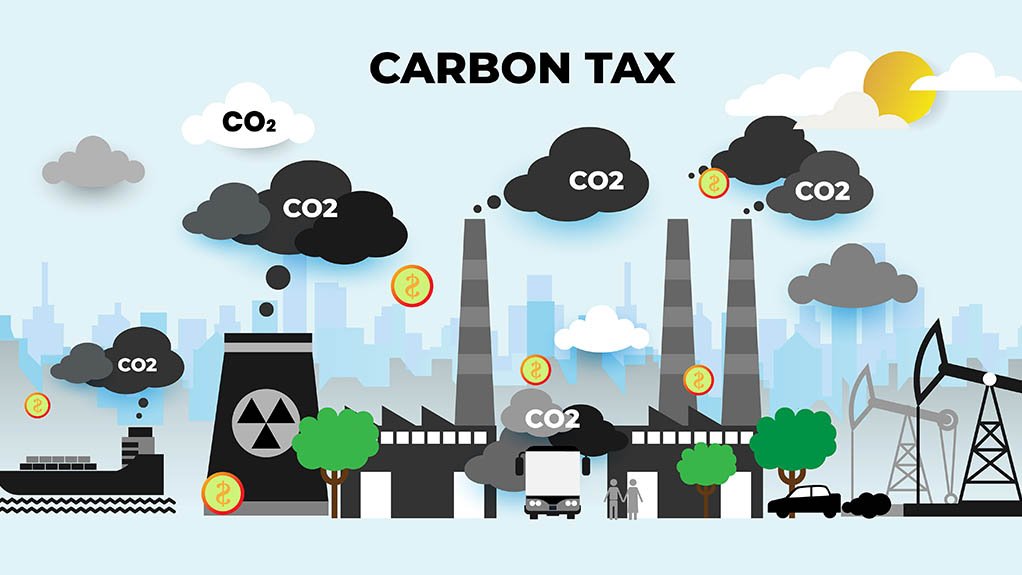
The European Union’s Carbon Border Adjustment Mechanism took effect January 1, 2026, targeting six sectors including steel, aluminum, cement, nitrogen fertilizers, hydrogen, and electricity. Exporting companies must now declare and potentially compensate CO₂ emissions linked to their products, with Brussels aiming to ensure competitive fairness for European industries while incentivizing trading partners’ ecological transition.
Companies failing to decarbonize production face carbon taxes calculated based on product carbon content, ranging between 60 and 100 euros per ton of CO₂. Exporters must document their industrial processes’ precise carbon footprints, purchasing emission certificates at European market prices if emissions exceed European standards. Where carbon markets exist in origin countries with tariffs below European levels, companies pay the difference.
The EU anticipates approximately three billion euros in revenue by 2030, potentially increasing as the tax expands to additional products. BMCE Kapital Global Research estimates over 10% of Moroccan exports could be affected this year, representing potential six billion dirham losses based on 2024 revenues. However, sectoral situations vary considerably.
Cement producers, electricity generators, aluminum manufacturers, and steel producers appear relatively unexposed. Sonasid already produces “green” steel, though only 1% targets the EU, with most remaining domestically or exported to Canada, the United States, and Saudi Arabia. Commercial hydrogen production begins in 2027 with OCP producing green ammonia, followed by TotalEnergies in Guelmim, using renewable energy and desalinated seawater compatible with European standards.
Nitrogen fertilizers remain Morocco’s most vulnerable sector to carbon taxation. Beyond 2027-2028, textile and agri-food sectors, heavily exporting to the EU, must achieve compliance despite not yet following desired decarbonization trajectories. Northern kingdom industrialists gained advantages through European client pressure, while upstream agriculture, particularly reducing chemical inputs, remains challenging for agro-industries.
Services and logistics infrastructure face requirements as well, with Tangier Med needing operational alignment with new norms to maintain its transshipment hub position handling 8.6 million containers in 2023. European market competitiveness now requires companies combining economic performance with climate respect, forcing Morocco and international partners producing and exporting within responsible carbon frameworks or facing increased costs and reduced access to demanding markets.