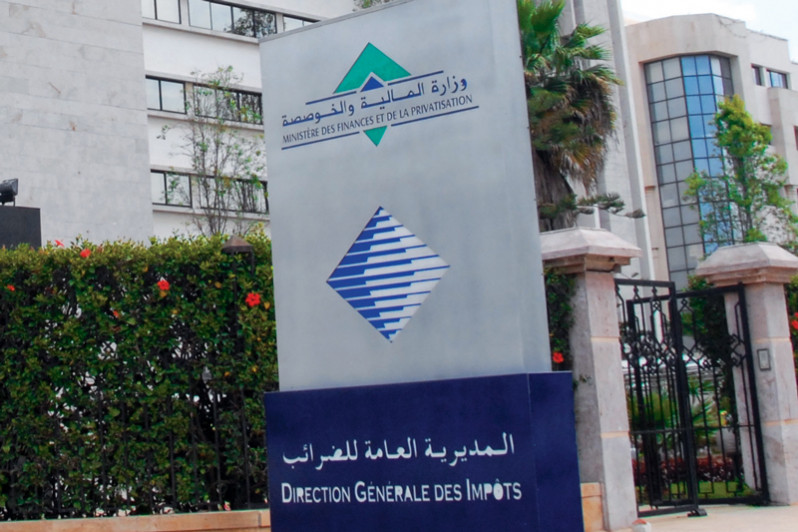
Morocco’s General Tax Directorate detailed principal fiscal measures contained in the 2026 budget law, continuing reforms initiated in 2023 under framework law 69-19 governing comprehensive tax system restructuring. The legislation aims to reinforce previous reform achievements while accelerating growth dynamics and employment creation.
Recent years’ reforms addressed corporate tax, value-added tax, and income tax, progressively unifying corporate tax rates, reducing fiscal pressure on small and medium enterprises, improving large company contributions, and ensuring greater VAT neutrality through implementing two rates and exempting basic products. The reforms also reduced employee tax burdens and exempted retirees regarding basic pensions.
Parallel measures introduced informal sector integration mechanisms, combat tax fraud, and strengthen control systems while rationalizing fiscal incentives. The directorate’s note explains that principal fiscal measures introduced within this finance law framework articulate around four major axes addressing key economic and social priorities.
The first axis targets informal sector integration into the structured economy and tax fraud prevention. Morocco’s substantial informal economy represents both lost fiscal revenue and unfair competition against compliant businesses. Measures aim to incentivize formalization through simplified procedures and reasonable tax treatment while strengthening enforcement against deliberate evasion.
The second axis improves business environment and enterprise competitiveness. Fiscal policy increasingly serves as economic development tool, with targeted incentives supporting priority sectors, export promotion, and innovation. Measures seek balancing revenue requirements against competitive positioning needs, particularly as Morocco competes regionally for investment.
The third axis adapts the tax system and harmonizes fiscal rules. Technical adjustments ensure coherence across tax code provisions, eliminate inconsistencies creating loopholes or compliance difficulties, and align Moroccan regulations with international standards including OECD recommendations and treaty obligations.
The fourth axis consolidates social cohesion. Fiscal policy plays redistribution roles, with measures ensuring equitable burden distribution while protecting vulnerable populations. Progressive taxation principles combine with targeted relief for lower-income households and strategic sectors supporting employment.
The comprehensive reform approach demonstrates Morocco’s commitment to modernizing fiscal architecture supporting economic transformation while maintaining revenue adequacy for public service delivery and social protection programs.