Morocco is implementing a comprehensive pharmaceutical policy overhaul through its 2026 Finance Bill, targeting dramatic reductions in medication costs while strengthening health security and domestic manufacturing capacity. The reform centers on unprecedented customs duty cuts, affecting 112 pharmaceutical products.
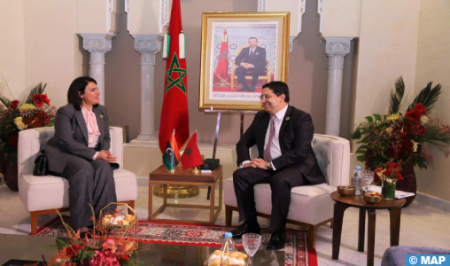
Budget Minister Fouzi Lekjaa had announced, during the presentation of the detailed draft budget of the Ministry of Health, that customs duties on these medications will plunge from 30 percent to just 2.5 percent next year, representing cuts up to 91 percent. The initiative aims to improve treatment accessibility, ensure medical coverage system sustainability, and establish foundations for enhanced health sovereignty.
Lekjaa outlined a fundamental restructuring of pharmaceutical fiscal policy. He emphasized that customs duties on pharmaceuticals contribute minimally to public revenues, making price reduction for citizens the primary objective. Additional goals include reinforcing health coverage strained by medication reimbursements, securing national pharmaceutical supply, and supporting domestic production against low-cost imports.
The government seeks equilibrium between consumer affordability and preserving Moroccan manufacturer competitiveness. This builds upon 2023 reforms that established three tariff tiers based on local production status.
The 2026 reform expands coverage significantly, reviewing 308 International Nonproprietary Names. While 112 receive major reductions and 10 see partial decreases, 34 face higher duties protecting domestic production. Officials contend these adjustments will secure supply chains while supporting industry competitiveness.
However, Lekjaa cautioned that tariff reductions alone prove insufficient. The government demands strict retail price oversight ensuring customs savings reach patients rather than inflating supply chain margins. The Moroccan Agency for Medicines and Health Products will receive authority and time necessary for implementing coherent long-term pharmaceutical policy.
For authorities, this reform represents a cornerstone of Morocco’s emerging health development model. The initiative targets steady availability of essential medicines, local manufacturing support, and generic medication research. Morocco thereby seeks reduced import dependency and strengthened health system resilience.
Lekjaa characterized the policy as transcending simple fiscal adjustment, describing it instead as a major strategic choice. Successfully realizing this vision requires reinforced governance, enhanced industrial planning, specialized training investment, and continuous regulatory adaptation to ensure medication access becomes integral to social justice and national health sovereignty.