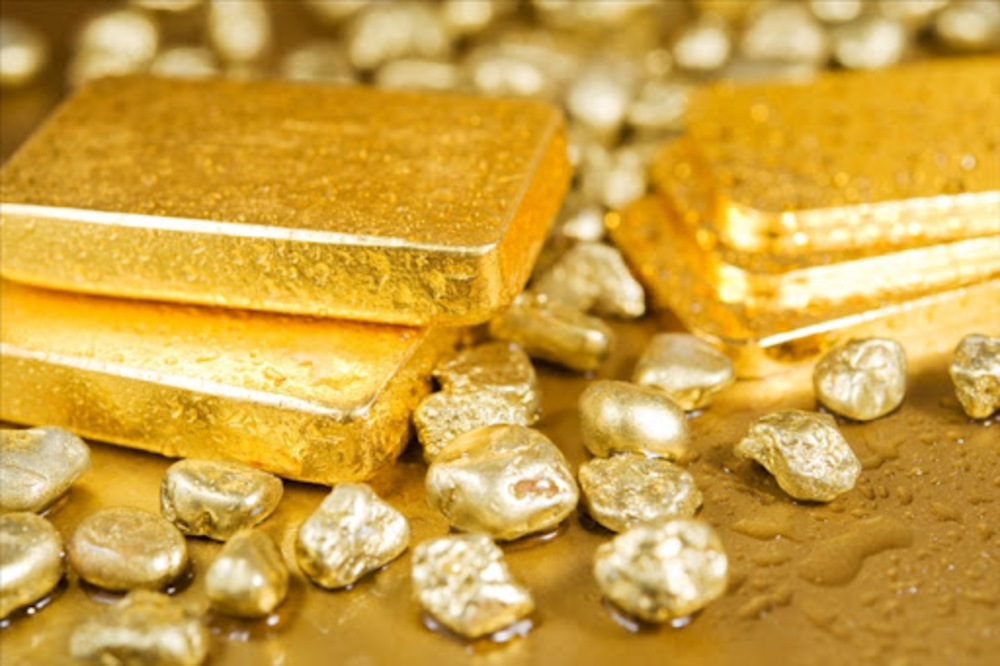
Gold prices surged to historic highs in 2025, repeatedly approaching $4,000 an ounce, according to the World Gold Council, as geopolitical tensions, global inflation and aggressive central bank buying drove demand for the safe-haven metal.
The rally has reignited debate over Africa’s role in the global gold market. The continent holds nearly 30% of global reserves and produces about a quarter of the world’s supply, yet most of the value still flows abroad.
While gold is a fiscal lifeline for many African economies, weak governance and limited industrial capacity mean the resource remains largely an underexploited asset.
Despite its geological wealth, Africa’s official gold holdings are modest. Algeria leads the continent with 174 tons, followed by Libya (147), Egypt (129) and South Africa (125). Ghana, Africa’s top producer since 2018, holds just 33 tons, while Morocco has 22.
By contrast, the United States stores more than 8,000 tons, and Germany over 3,300 tons.
“Africa controls only 3% of global official reserves,” the World Gold Council said, calling it a strategic weakness as central banks worldwide stockpile bullion to hedge against currency volatility.
Ghana has tripled its reserves since 2022 under its Gold for Oil program, which swaps domestic gold for fuel to cut reliance on the dollar. Nigeria, Tanzania and Burkina Faso are exploring similar strategies.
Gold accounts for 45% of exports and nearly 15% of GDP in Africa’s top producers, according to World Gold Council data. In Mali, Burkina Faso and Tanzania, it is the main source of foreign currency. In Sudan, gold has replaced oil as the leading export.
But dependence on bullion leaves economies exposed. “Price spikes boost revenues and reserves, but they can trigger currency appreciation and hurt other sectors,” the World Bank warned, citing the risk of Dutch disease. A sharp drop in prices could devastate budgets.
Illegal trade compounds the challenge. At least 435 tons of gold left Africa illicitly in 2022, according to Swiss NGO SWISSAID, more than one ton a day. Up to 80% of artisanal gold bypasses legal channels, feeding a shadow economy that funds armed groups in the Sahel and Central African Republic.
Almost all African gold is exported raw, without local refining, UNCTAD says. Value-added margins from bullion processing and jewelry manufacturing are captured abroad, mainly in Switzerland, Turkey, India and the UAE. Ghana’s new refinery, opened in 2022, is a rare exception.