Mauritania must accelerate economic diversification to achieve its ambition of becoming an upper-middle-income country by 2050, the World Bank said in a report published on Nov 24, citing the limits of a development model driven by extractive industries.
“The extractive-led growth path is reaching its end,” the Bank said, noting that while Mauritania posted an average growth rate of 3.5% over the past two years, its labor market participation remains below 50%, underscoring the need to broaden the productive base.
The report calls for reforms in early childhood education, land management, labor code modernization, competition policy and skills development, alongside investments in infrastructure and human capital to foster inclusive growth.
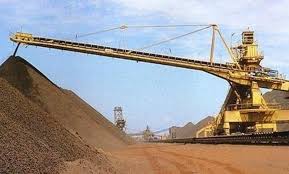
Mauritania’s economy relies heavily on mining, particularly iron ore, and fisheries, leaving it vulnerable to commodity price swings and external shocks.
While new offshore gas projects promise revenue, analysts warn that dependence on extractives could expose the country to volatility and limit job creation.
“Beyond its mineral wealth, Mauritania has untapped potential in solar energy, agriculture and digital services,” said Keiko Miwa, World Bank Country Director for Cape Verde, Mauritania, Senegal, Gambia and Guinea-Bissau. “Transforming these assets into competitive sectors is key to sustainable growth.”
Mauritania’s GDP grew 4.1% in 2024, supported by mining exports and public investment. Growth is projected at 4.5% in 2025 and 5% in 2026, driven by the start of gas production and infrastructure projects, according to World Bank estimates. However, the report warns that without diversification, these gains may not translate into broad-based prosperity.