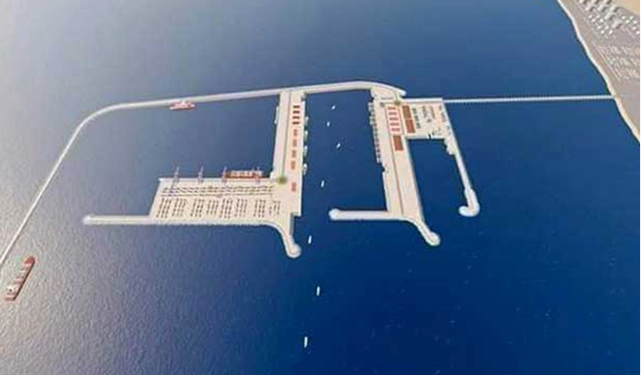
Dakhla Atlantic Port remains a strategic lever for southern provinces development, embodying Morocco’s vision of a strong Atlantic facade open to Africa and the Sahel. King Mohammed VI emphasized during the 45th Green March anniversary that this mega-project positions Dakhla-Oued Eddahab as a new African economic integration interface, ensuring continental influence.
The project aligns with the southern provinces new development model and the national port strategy 2030, providing the region with a modern, high-performance platform serving fishing, logistics, and African economic openness requirements.slot88ku
During the Dakhla Africa Logistics Forum held recently, Abid Mrayzig, construction manager at Dakhla Atlantic Port development directorate, provided valuable insights on port structuring and mega-project advancement. Strategically, Dakhla Atlantic reinforces South-South cooperation within the Royal Initiative for Sahel countries. The port connects to a 1,600-hectare industrial and logistics zone organized around four major axes: creating attractive multimodal platforms for operators, improving access to developed land, fostering industrial synergies and high-value products, and establishing logistics and economic zones for West African and Sahel countries.
Located approximately fifty kilometers from urban areas, the port offers substantial advantages including 35-million-ton annual capacity and versatility covering containers, liquid and solid bulk, fishing, mining, and renewable energies. Additional strengths include connectivity with American, European, and African continents, plus roles in Moroccan green hydrogen transit and ammonia exports.
Mrayzig highlighted multimodality concepts integrating port and maritime connectivity with road connections via the Tiznit-Dakhla expressway, creating traffic flow fluidity and massification. Complementarity with regional development programs aims creating and developing air platforms.
The logistics zone incorporates best practices, structuring into poles matching southern specificities and positioning as commercial and industrial African hubs. The zone evolves progressively based on demand and operator arrivals, offering adapted functionalities and fostering synergies across poles: seafood competitiveness, shared services, general industrial zones, commercial areas, logistics poles, and 650-hectare port zones.mulia288
Construction currently reaches 46% completion, with maritime bridge work finalization underway. The project, estimated at fifteen billion dirhams, demonstrates extensibility for future expansion phases.