After decades of stalemate, the contours of a settlement of the Sahara issue are being defined in a way that corrects colonial prejudice suffered by Morocco, a nation divided into different occupation zones.
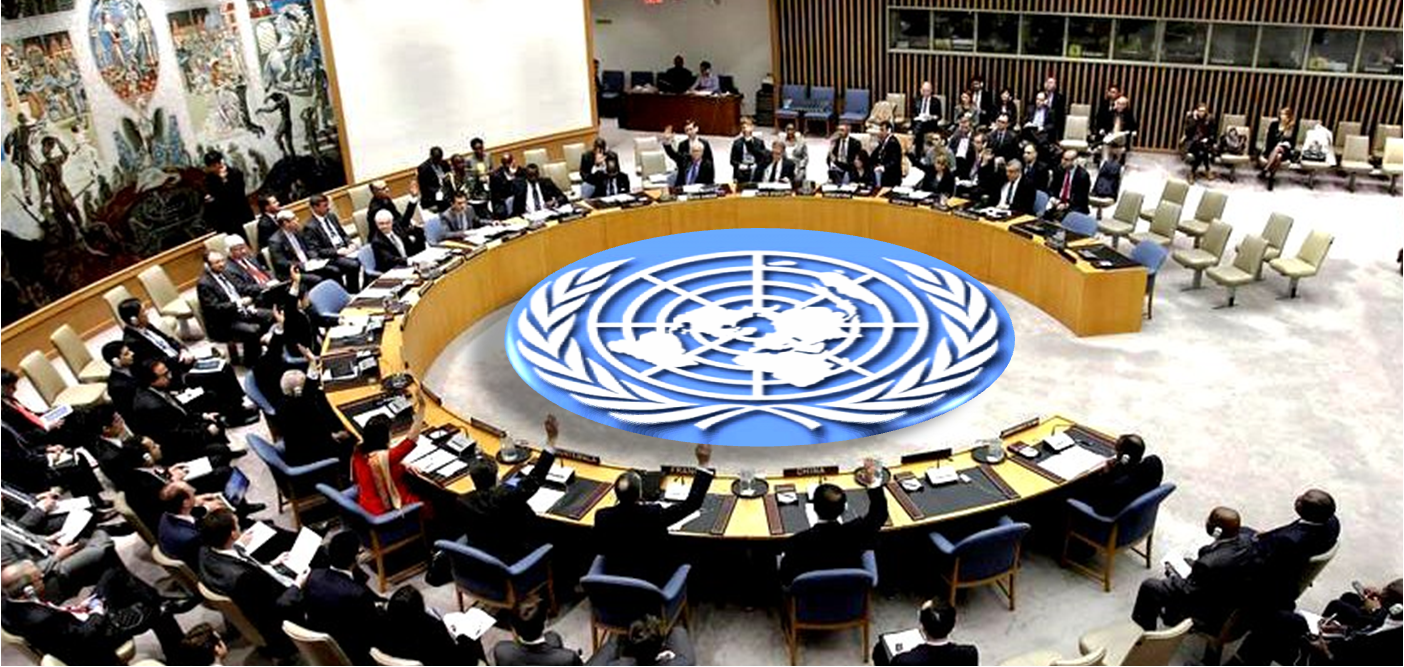
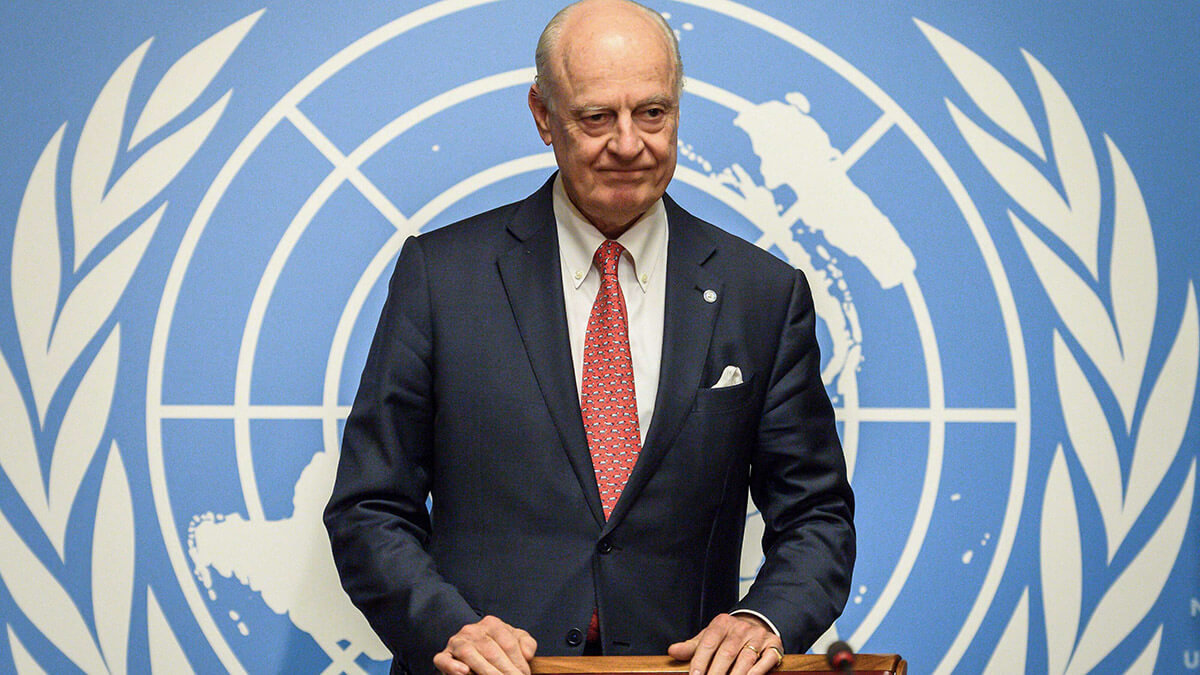
In a closed-door briefing to the UN Security Council on October 10th, Staffan de Mistura, the Secretary-General’s personal envoy, acknowledged what has become undeniable: Morocco’s autonomy plan, tabled in 2007, is now the only realistic and politically feasible on the table. Meanwhile, Algeria and its Polisario proxies continue to stick to obsolete referendum option.
The shift is stark. Washington, Paris and London openly back Rabat’s proposal, calling it “realistic and pragmatic.” The US, which recognized Moroccan sovereignty in 2020, has doubled down, steering the drafting of this month’s Security Council resolution.
Even Moscow and Beijing are signaling openness to a political solution anchored in autonomy.
Morocco, after ending the conflict militarily by foiling hit-and-run guerilla warfare tactics sponsored by Algiers, is now close to a diplomatic close of this artificial dispute. It has deepened ties with the Security Council permanent member states, underscoring its growing diplomatic influence. Three out of five backed the autonomy plan outrightly, while Russia and China gave positive feedbacks ahead of a Security Council resolution expected by the end of the month to renew the UN mission mandate in the Sahara territory.
Algeria, by contrast, clings to an obsolete script. President Abdelmadjid Tebboune recently vowed never to abandon the Polisario Front, the separatist movement it arms, funds and shelters. His insistence on a referendum, long dismissed as unworkable, betrays a rigidity that blocks progress.
Worse, Algeria’s swelling defense budget, now $25bn, raises fears of escalation in a region already fragile. Staffan de Mistura warned that militarization risks tipping a frozen conflict into open confrontation.
The envoy’s prescription is clear: Algiers must “help the Polisario prioritize the political track,” according to leaks of his briefing by Moroccan and international media.
That means abandoning maximalist demands and engaging in direct talks with Morocco, Mauritania and the UN before year’s end. The alternative, he cautions, is “diplomatic paralysis” and the spectre of renewed war.
De Mistura urged the renewal of the UN mission in the Sahara “even in reduced form,” warning that a pullout would create a dangerous vacuum.
As the World aligns behind realism, Morocco offers autonomy as a framework for compromise; Algeria offers only obstruction.