Morocco issued a strong and unequivocal call to the international community to protect and advance the gains achieved in women’s rights, amid mounting challenges and setbacks across several regions of the world.
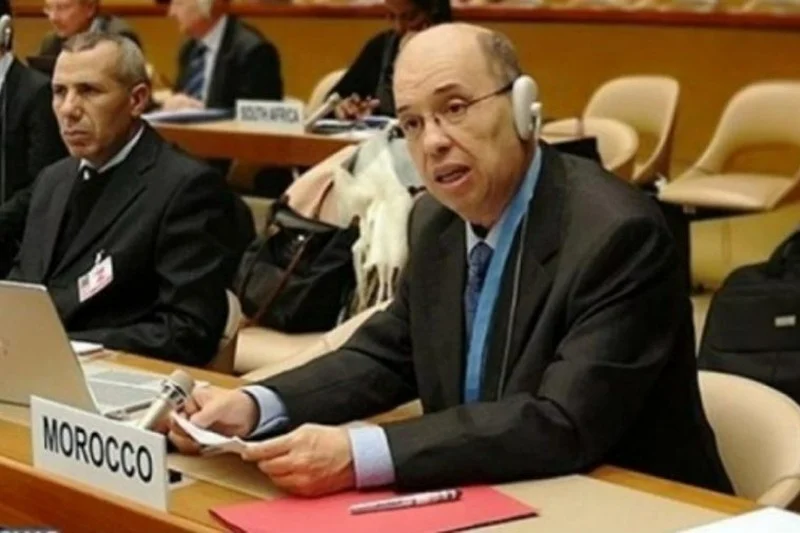
Speaking at the opening of the 11th edition of the Glion Human Rights Dialogue, Permanent Representative to the United Nations and other international organizations in Geneva, Omar Zniber, warned against the resurgence of anti-rights movements, regressive legislation, and entrenched inequalities, underlining the need for urgent and collective action.
“We must resist all attempts to roll back the rights of women and girls, whether justified in the name of tradition, religion, or political expediency,” he said.
“Gender equality must not remain a promise on paper but a lived reality—for everyone, everywhere,” he emphasized.
The Moroccan diplomat highlighted the importance Morocco attaches to multilateral engagement, reflected in its continued commitment within the UN Human Rights Council, notably through the launch of the Advisory Council on Gender Equality during Morocco’s presidency of the Council.
He further announced that the Group of Francophone Countries in Geneva, chaired by Morocco for the 2025–2026 term, will sustain this momentum by placing gender equality at the core of its agenda.
On the national front, Zniber reaffirmed Morocco’s comprehensive legal and institutional framework to promote equality and combat violence against women. He cited, among other milestones, the Marrakech Declaration (2020), recognized by UN Women as one of the world’s most effective models for supporting survivors of gender-based violence.
Moreover, women’s political and economic participation continues to grow steadily, with a record number of women elected to Parliament and regional councils, as well as increased support for women’s entrepreneurship and rural women.
The ambassador called on all states to reinforce mechanisms for implementing human rights at the national level, boost funding for gender equality initiatives, and ensure that feminist organizations and women human rights defenders have the space and resources to act effectively.
“This is a time for determination, not retreat. The future of women’s rights depends on our ability to turn our commitments into tangible, transformative actions,” he insisted.
Morocco, Zniber assured, will continue to share its best practices and actively contribute to the emergence of a more effective, fair, and reality-based multilateral system that responds to the needs of women and girls worldwide.
Jointly organized by Morocco, China, Spain, the United Arab Emirates, UN Women, and the Universal Rights Group (URG), in partnership with the Permanent Missions of Thailand and Mexico, the Glion Dialogue brings together representatives of states, the United Nations, and civil society to explore ways of revitalizing global momentum toward gender equality and women’s empowerment.
This year’s high-level meeting coincides with the 30th anniversary of the Beijing Declaration and Platform for Action (BPfA)—a landmark framework for the advancement of women’s and girls’ rights.