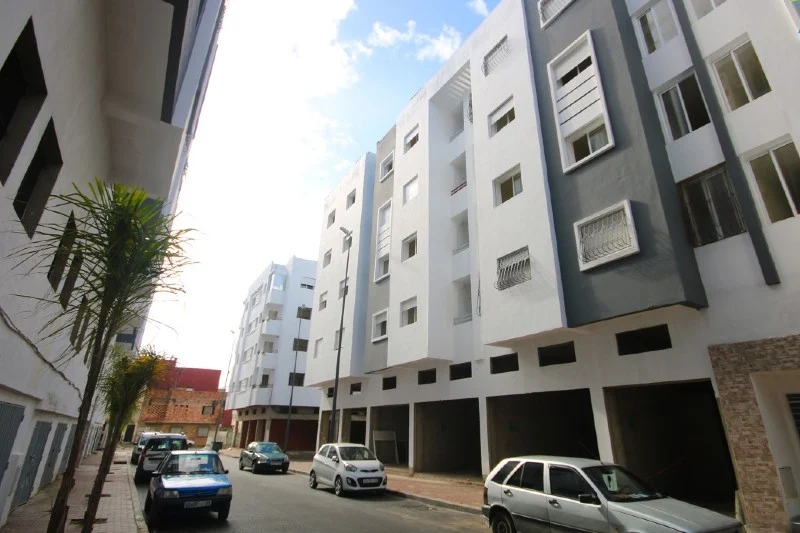
Morocco’s housing assistance program has distributed 5.4 billion dirhams in aid to 66,305 beneficiaries through September 2025, demonstrating significant progress in addressing residential accessibility challenges. Government spokesperson Mustapha Baitas revealed Thursday that the program has attracted 198,064 applications since inception, reflecting widespread demand for housing support across demographic segments.
Young Moroccans represent a substantial portion of program participants, with 37 percent of beneficiaries are aged under 30. Women account for 47 percent of recipients, marking notable gender balance in housing support distribution. Moroccan expatriates constitute 24 percent of beneficiaries, translating the diaspora’s strong engagement with national housing initiatives.
Application analysis reveals market preferences, with 62 percent of requests targeting properties valued between 300,000 and 700,000 dirhams, while 38 percent seek homes below 300,000 dirhams. This distribution suggests middle-income households represent the primary demographic segment seeking housing assistance, though significant demand exists for entry-level properties.
The government simultaneously approved regulations governing social protection establishments, with 1,311 authorized facilities currently serving 115,202 beneficiaries. New provisions enable these institutions to provide services both within their premises and through external arrangements, subject to advance notification requirements to competent authorities.
The decree requires social protection establishments to submit declarations one month before initiating external services, with annual renewal obligations ensuring ongoing oversight. This regulatory framework aims to expand service delivery flexibility while maintaining accountability standards for vulnerable population support.
These housing and social protection initiatives reflect broader government efforts to address affordability challenges and enhance social safety nets, particularly for young adults, women, and diaspora members seeking residential opportunities in Morocco’s evolving property market.