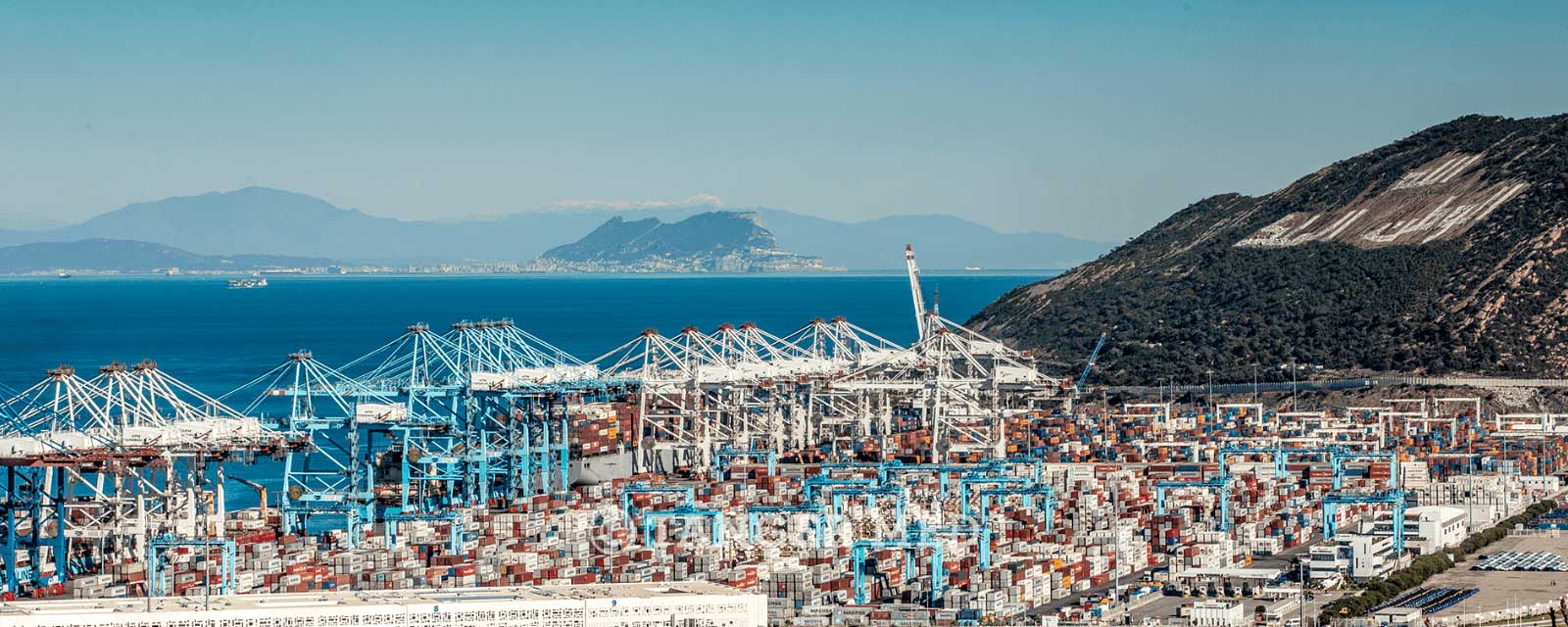
Morocco’s Tanger Med port is gaining prominence as a key transshipment hub linking Asia, Europe, and Africa, as global trade routes shift under the pressure of geopolitical tensions, energy transition, and rising protectionism.
The port’s operational efficiency and growing connectivity are positioning the Kingdom as a strategic logistics pivot at the crossroads of continents, according to the latest Review of Maritime Transport by UN agency UNCTAD.
Disruptions caused by the Red Sea conflict, pandemic aftershocks, and decarbonization efforts have lengthened shipping routes, increased costs, and reshaped global supply chains.
In this context, Africa’s maritime connectivity has grown by 10% between June 2024 and June 2025, with Morocco emerging as a standout performer.
Tanger Med, ranked 5th globally in 2024 with a CPPI score of 135.8, leads the continent in port performance and continues to attract rerouted traffic from Asia and Europe, particularly via the Cape of Good Hope.
The conflict in the Red Sea has extended shipping distances and increased ton-mile volumes by 6.1% in 2024, compared to a 2.2% rise in physical cargo volume. This shift benefits strategically located African ports like Tanger Med, which is capturing a growing share of transshipment traffic and reinforcing its role as a major logistics hub.
Tanger Med’s success is underpinned by sustained investment in infrastructure, digitalization, and integrated logistics zones.
The port has implemented advanced customs coordination and digital single-window systems, which the World Bank identifies as key drivers of competitiveness in developing economies.
However, Morocco faces new challenges as the maritime sector moves toward decarbonization. UNCTAD warns that only 8% of the global fleet currently uses alternative fuels. To remain competitive, Tanger Med will need to invest in LNG and hydrogen refueling infrastructure and promote a just transition for port workers, including greater inclusion of women, who currently represent less than 2% of handling staff.
Other emerging ports such as Dakar, Jawaharlal Nehru, Mersin, Port Said, and Posorja are also improving performance through automation, international partnerships, and 24/7 operations. Both UNCTAD and the World Bank stress the urgency of accelerating digital and green transitions while ensuring equitable outcomes.