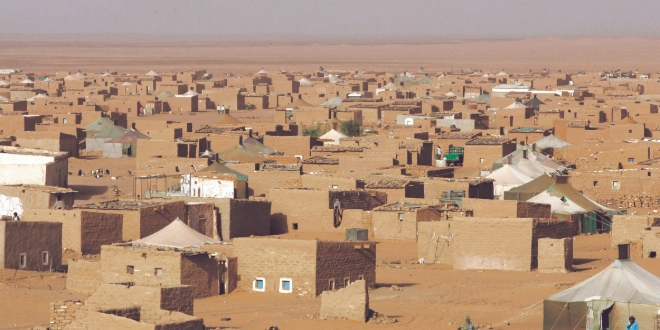
During the 60th session of the UN Human Rights Council in Geneva, multiple NGOs and human rights defenders exposed grave violations committed by the Polisario militias in the Tindouf camps on Algerian territory.
These abuses, reportedly carried out with the complicity of the host country, Algeria, were described as systematic and widespread, particularly targeting women and girls.
The NGOs highlighted the lack of fundamental freedoms and judicial safeguards in the camps, citing the case of dissident Ahmed Al Khalil, who has been forcibly disappeared since 2009.
Testimonies from Sahrawi activists, including Mustapha and Saadani Maelainin, detailed torture, intimidation, surveillance, and media censorship.
Spanish lawyer Manuel Navarro Peñaloza denounced sexual violence allegedly perpetrated by Polisario leader Brahim Ghali and condemned the culture of impunity and absence of legal recourse.
Former detainees Mahmoud Bouih and El Fadel Brika reported arbitrary arrests, forced disappearances, and extrajudicial executions, while Brika accused the Polisario of using food deprivation as collective punishment and diverting humanitarian aid to armed groups in the Sahel.
NGOs also criticized the political exploitation of Sahrawi children through the “Vacations in Peace” program, which allegedly facilitates child trafficking and family separation. Cases like that of Nouha Mohamed, barred from visiting her ill mother in France, were cited as examples of humanitarian blackmail.
Fatima Zahra Zhiri, representing a development-focused NGO, expressed concern over chronic poverty and inadequate health and education infrastructure in the camps.
These revelations come amid mounting international criticism of Algeria’s broader human rights practices.
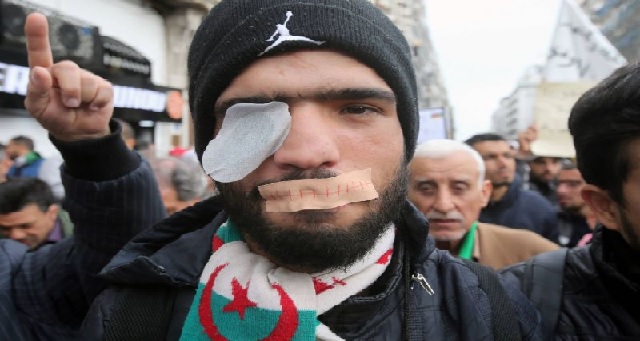
In the U.S. State Department (2024 Report), Algeria was cited for arbitrary arrests, torture, forced disappearances, and severe restrictions on freedom of expression and association. Journalists and activists were frequently prosecuted under vague anti-terrorism laws, creating a chilling effect on dissent.
Human Rights Watch (2025) also reported a continued crackdown on dissent, with dozens arrested during the presidential election campaign. Cases like activist Mohamed Tadjadit and artist Djamila Bentouis illustrate the use of anti-terrorism laws to silence peaceful expression.
While Amnesty International (2025) condemned Algeria’s brutal repression of civic space, including the arbitrary detention of activists and journalists, mass expulsions of migrants, and failure to investigate torture allegations.