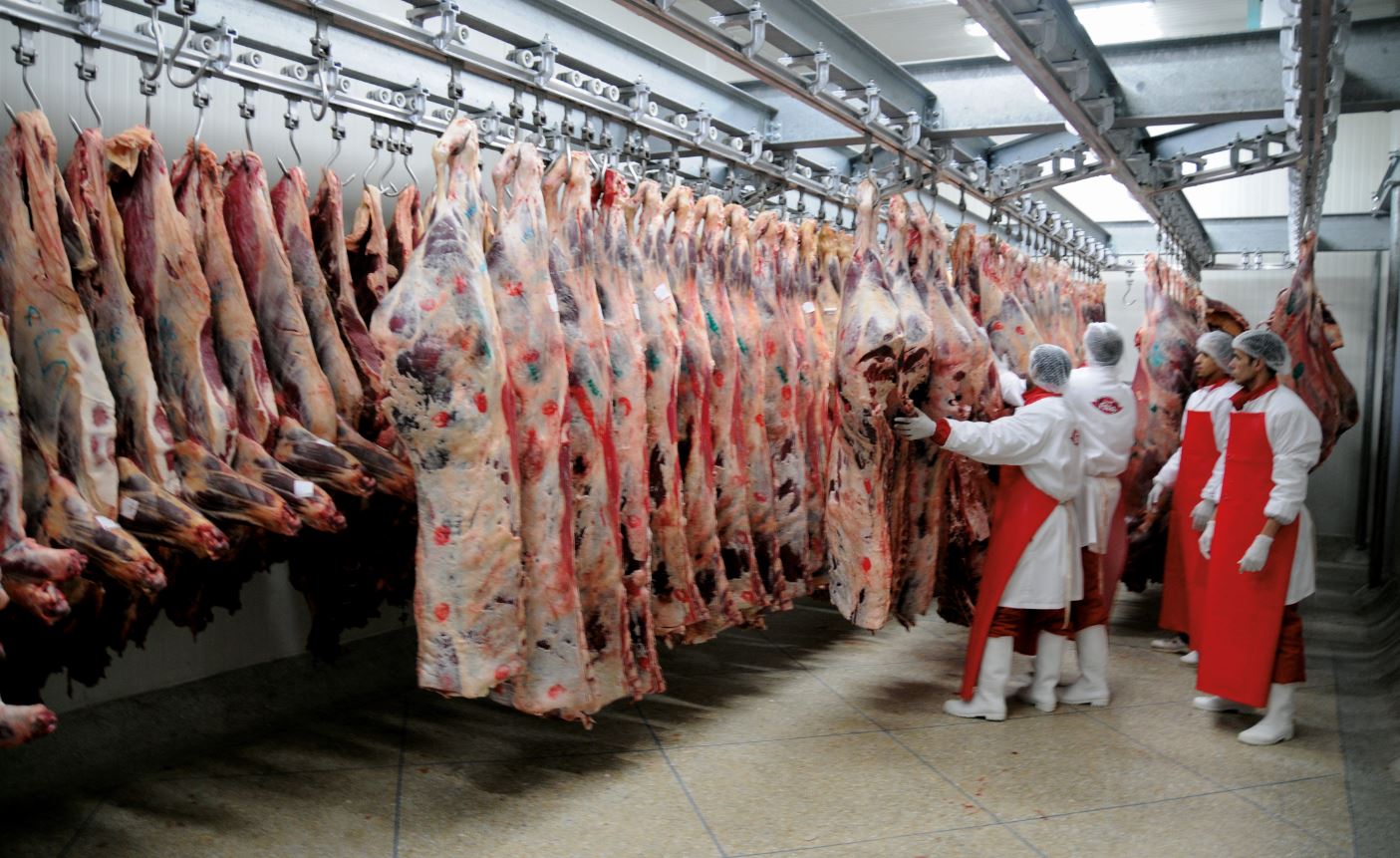
Despite government efforts to combat rising red meat prices through import liberalization and suspended customs duties, Moroccan consumers continue facing financial strain. Industry experts and consumer advocates criticize the current approach as inadequate, calling for fundamental restructuring of the national livestock sector rather than temporary measures.
Market dynamics reveal persistent price volatility despite intervention attempts. Current wholesale prices range from 85 to 110 dirhams per kilogram for lamb and 74-94 dirhams for beef, according to Casablanca Prestations weekly reports. These figures represent slight decreases from previous weeks but remain significantly elevated compared to historical averages of 50-60 dirhams per kilogram.
El Houssine El Yamani, member of the Democratic Confederation of Labor’s national council, highlights the crisis severity in a statement to h24info.ma website. “We’ve witnessed alarming price volatility, jumping from average levels of 50-60 dirhams per kilogram to peaks exceeding 120 dirhams, sometimes approaching 140 dirhams,” he said. This surge coincides with diminished purchasing power among Moroccan households, rendering red meat increasingly inaccessible.
The import strategy, designed to compensate for reduced domestic livestock due to six consecutive years of severe drought, has produced limited results. El Yamani argues these measures primarily benefited importers rather than consumers, failing to achieve intended market stabilization. Morocco’s national livestock has declined dramatically due to prolonged drought conditions, creating supply-demand imbalances that imports cannot adequately address.
Bouazza Kherrati, president of the Moroccan Federation of Consumer Rights, offers a nuanced perspective, acknowledging imports have provided some price stabilization within regional variations. However, he emphasizes that effective import policies require sustained implementation over at least three years to achieve meaningful equilibrium.
Both experts advocate for comprehensive livestock rebuilding strategies rather than temporary import solutions. El Yamani proposes long-term structural approaches to sustainably restore Morocco’s national livestock capacity, addressing underlying supply challenges. The government has indicated potential price ceiling implementation under exceptional market circumstances, though such measures remain under consideration as stakeholders debate optimal intervention strategies.