Despite mounting global economic uncertainties, East Africa remains on a steady growth path, driven by investments in infrastructure, energy, agriculture, and digital innovation.
According to a recent Deloitte’s 2025 East Africa Economic Outlook, the region is set to be the fastest-growing on the continent, even as high inflation, rising debt, and currency volatility pose significant risks. Moody’s latest Global Macro Outlook 2025–26 paints a more cautious picture globally, forecasting a slowdown in economic growth to 2.4% by 2026, down from 2.9 percent in 2024. With lingering instability in global trade and tighter monetary policies, emerging markets — particularly in East Africa — face reduced exports, weaker investment, and job creation challenges.
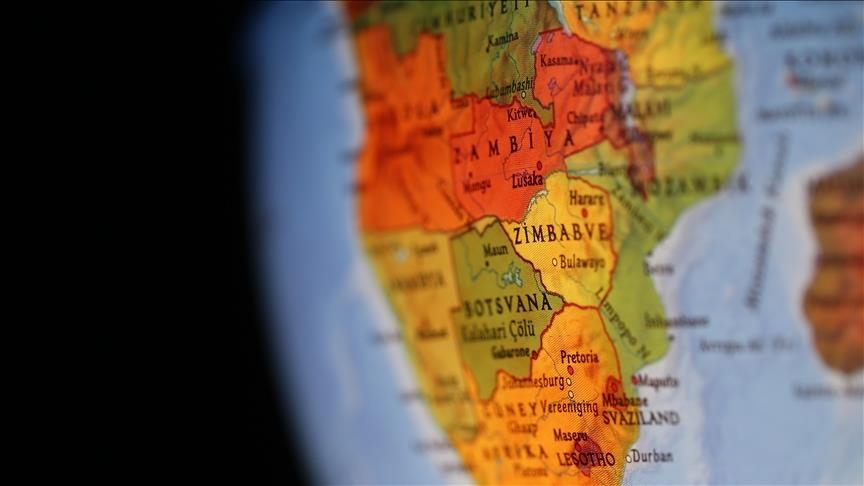
Yet, within the region, individual economies are showing resilience. Ethiopia projects 7.2% GDP growth, fueled by mining and agriculture, while Kenya eyes 5.3% growth supported by tourism, agricultural recovery and investment reforms. Tanzania and Uganda continue to benefit from energy and oil-sector developments, though both remain vulnerable to currency pressures and delays in production timelines. Zambia, navigating debt restructuring, expects a more modest 4% growth amid inflation concerns. While weakened demand from advanced economies may dampen export prospects, East Africa’s emphasis on regional integration, resource development, and economic diversification positions it for long-term gains. The region’s adaptability and strategic investments are proving vital as it navigates shifting global tides.