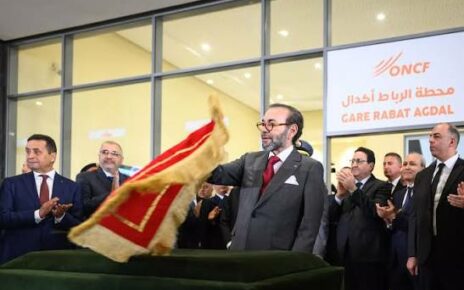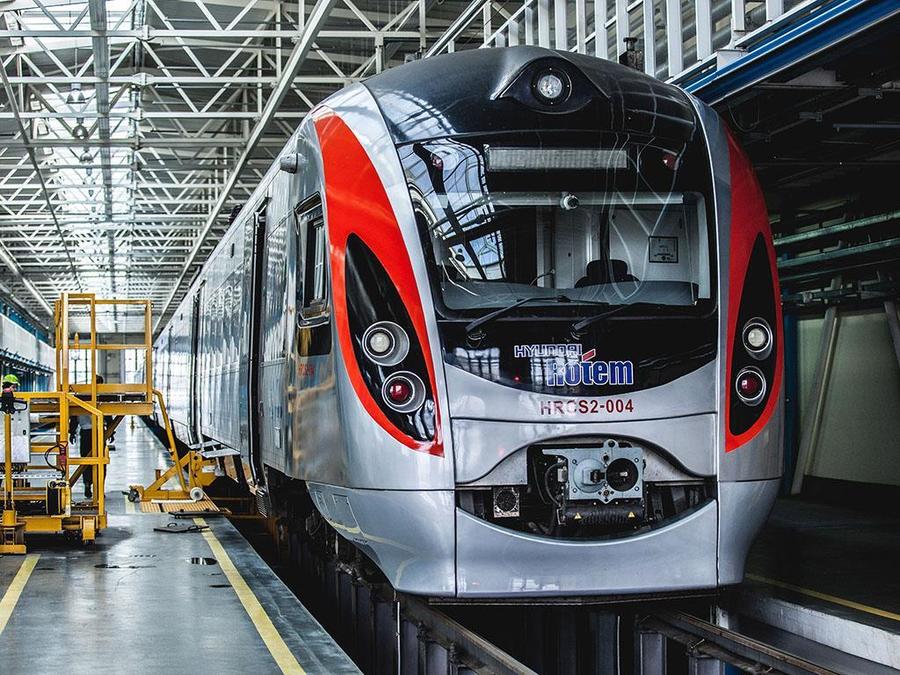
South Korean rail manufacturer Hyundai Rotem inaugurated its first Moroccan subsidiary this August, marking the company’s third African establishment following Egypt and Tunisia, as part of a historic $1.5 billion railway modernization contract.
The landmark deal, signed in February 2025, represents Hyundai Rotem’s largest-ever railway contract worth approximately 2.2 trillion won. The agreement covers delivery of 110 double-decker trains capable of reaching 160 km/h, designed for rapid shuttle services (TNR) connecting Kenitra, Rabat, and Casablanca, plus regional routes.
The project supports Morocco’s extensive railway network modernization program ahead of the 2030 World Cup, which the kingdom will co-host with Spain and Portugal. Morocco is investing billions of dirhams to upgrade transport infrastructure, including intercity trains, high-speed rail, and rapid shuttles to enhance national network quality and capacity.
Hyundai Rotem’s Moroccan subsidiary will ensure delivery schedule compliance and oversee local production elements. The plan includes technology transfer, training programs, and maintenance support implemented with Korea Railroad Corporation (Korail). Both companies are negotiating with Morocco’s National Railways Office (ONCF) for new train maintenance services, ensuring sustainable operation.
The operation’s success relies on close public-private coordination through the “One Team Korea” initiative. A government delegation visited Morocco in 2023 to promote Korean expertise, with the project receiving financial support from the Economic Development Cooperation Fund, which provides concessional loans for emerging market infrastructure.
The contract benefits over 200 Korean companies supplying nearly 90% of train manufacturing components. Hyundai Rotem envisions its Moroccan subsidiary becoming a local development engine, promoting national railway industry skill development and supporting technical training programs for young Moroccans aligned with growing sector needs.
This establishment positions Morocco as a strategic hub for North African railway development while consolidating Hyundai Rotem’s continental presence and active participation in modernizing crucial infrastructure for the kingdom’s economy and mobility.