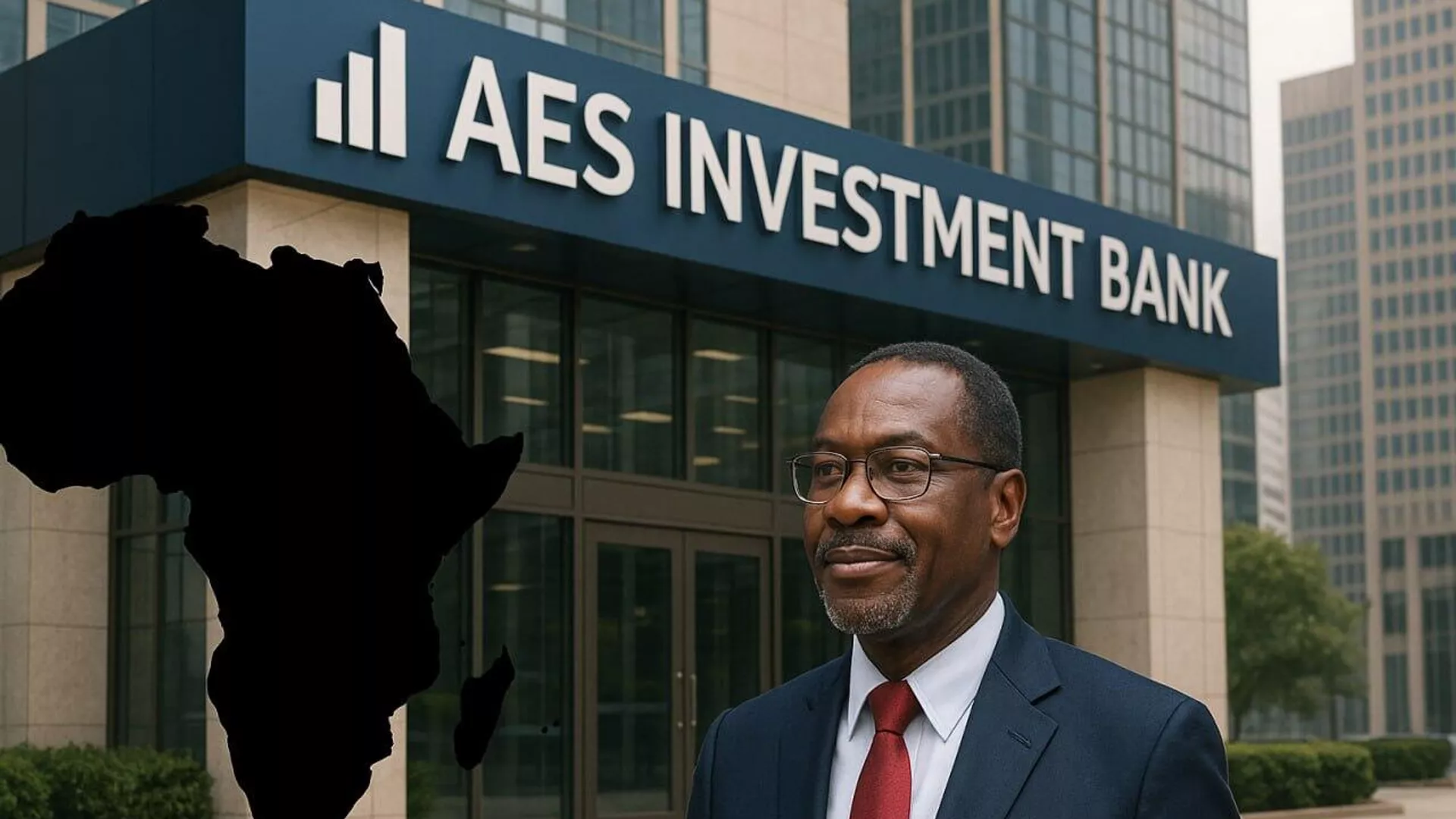
The military-led governments of Mali, Niger, and Burkina Faso have unveiled plans to fund a new regional investment bank with a portion of their national tax revenues, signaling a deepening break from traditional financial partners and regional bodies.
Each country will contribute approximately 5% of its annual tax revenues to the bank, which aims to finance infrastructure, mining, and energy projects across the newly formed Alliance of Sahel States (AES). According to Serge Balima, an adviser to Burkina Faso’s junta leader, the bank will pool resources collected through newly imposed taxes to bolster economic sovereignty. “We’re relying on our own resources because the conditions of certain partners are not always favorable,” Balima said during the Sahel Governance Forum in Gambia. The move follows the trio’s formal withdrawal from the Economic Community of West African States (ECOWAS), citing a lack of adequate support in their fight against Islamist insurgents.
The new lender is part of a broader strategy to reduce reliance on Western aid, with the countries now courting partners such as Russia, Iran, and Turkey. They’ve also revised natural resource laws to increase state control and have nationalized some underperforming foreign-run mines. Analysts warn that untangling from ECOWAS — whose institutions still facilitate trade, travel, and development projects — will be complex. Still, the three landlocked AES states, each of whom is dealing with its own complex political and security challenges, appear committed to forging a self-financed, post-Western development path.